You don't just live in Tehran. You navigate it like a high-stakes poker game where the rules change every time the dealer breathes. If you're looking for a travel brochure about "ancient wonders" or a political white paper on sanctions, look elsewhere. Those things exist, but they aren't the pulse of the city. The real story of Tehran is found in the "zarangi"—that untranslatable Persian concept of cleverness or "smartness" required to simply get through a Tuesday without losing your mind or your savings.
Survival here isn't about hiding in a bunker. It's about the art of the workaround. It's the lady in the subway selling high-end French lace from a backpack. It's the tech developer using three different VPNs just to check an email. It's the constant, rhythmic calculation of how much a kilo of red meat cost yesterday versus how much it'll cost after the sun sets.
People think Tehranis are just waiting for something to happen. They aren't. They're busy building an entire parallel universe where the "official" rules are just suggestions and the "unofficial" ones are the law of the land.
The Financial Acrobatics of the Middle Class
Living with 40% inflation—or higher, depending on who you ask and what you're buying—changes your brain chemistry. You stop thinking about saving money. Saving is for people in stable economies. In Tehran, if you keep cash in a bank account, you're essentially watching it evaporate.
I've seen people buy gold coins, old carpets, or even sets of tires just to park their wealth somewhere that won't lose half its value by next Norouz. It's a frantic, exhausting race. Every conversation at a dinner party eventually drifts toward the price of the Dollar or the Euro. You'll hear a grandmother talking about the black market exchange rate with the same fluency as a Wall Street trader.
This isn't greed. It's a reflex. When the rial Tumbles, your life's work shrinks. So, you learn to hedge. You buy things you don't need today because you'll definitely be able to trade them for things you do need tomorrow.
The Informal Economy Is the Real Economy
Walk into any bazaar or even the gleaming malls in the north of the city. The sticker price is often just a starting point for a complex social dance. But beyond the traditional Taarof—that famous Persian system of etiquette—lies a grit that's purely modern.
The "gig economy" didn't need an app to start in Tehran. It's been the default for decades. Your dentist might also be importing car parts. Your taxi driver is probably a retired teacher. Everyone has a side hustle because a single salary is a joke that isn't funny anymore.
Getting Around Without Losing Your Mind
Traffic in Tehran is a sentient beast. It's loud, it's gray, and it smells like leaded gasoline and desperation. But even here, there’s a ritual. There’s a logic to the chaos.
Motorbikes are the lifeblood of the city. They’re the only things that can pierce through the gridlock of Hemmat Highway. These riders aren't just couriers. They're the city's red blood cells, carrying everything from hot pizza to legal documents to entire families of four through gaps in traffic that look physically impossible to navigate.
The Metro as a Social Microcosm
If you want to see the real Tehran, get on the Line 1 train at rush hour. It's a sensory overload. You have the "subway sellers" who have turned the carriages into a mobile department store. They sell gum, socks, phone chargers, and kitchen gadgets with a sales pitch that would put a Silicon Valley "disruptor" to shame.
It's crowded. It's hot. But there’s a strange solidarity there. Someone will almost always give up their seat for an elder. People share oranges with strangers. It’s a reminder that even when the macro-environment is harsh, the micro-interactions remain deeply human.
The Digital Fortress and the VPN Life
The internet in Iran is a filtered, throttled mess. But Tehran is one of the most tech-savvy cities in the region. How? Through a massive, nation-wide obsession with VPNs.
Basically, everyone from your teenage cousin to your 80-year-old shopkeeper knows how to "break" the filter. Using the internet in Tehran feels like being a digital spy. You toggle on the proxy, wait for the handshake, and suddenly you're on Instagram or X.
It creates a strange duality. There's the "official" internet, which is useless, and the "real" internet, where people run businesses, find dates, and argue about movies. This constant bypassing of restrictions has made the population incredibly adaptable. When one tool is blocked, three more appear by dinner time. You don't ask if you can get online. You ask which tunnel is working today.
Why the Private Sphere is Sacred
Because the public space is so heavily regulated and scrutinized, the private home has become a fortress of freedom. Behind closed doors, the "rituals of survival" turn into rituals of joy.
This is where the real culture happens. It’s in the underground cafes that look like bookstores. It's in the art galleries tucked away in old villas in the downtown alleys. It’s in the house parties where the music is loud and the headscarves are non-existent.
Tehranis have mastered the art of "the two faces." There's the face you show the street—reserved, cautious, compliant. Then there's the face you show your friends. The contrast is jarring if you're not used to it. But for a Tehrani, it’s just how you keep your soul intact. You give the authorities what they want in public so they leave you alone in private.
The Resilience of the Tehran Youth
Don't pity the kids in Tehran. They're some of the sharpest, most cynical, and most creative people you'll ever meet. They've grown up in a pressure cooker. They know that the world outside thinks they’re either victims or villains, and they don’t care about either label.
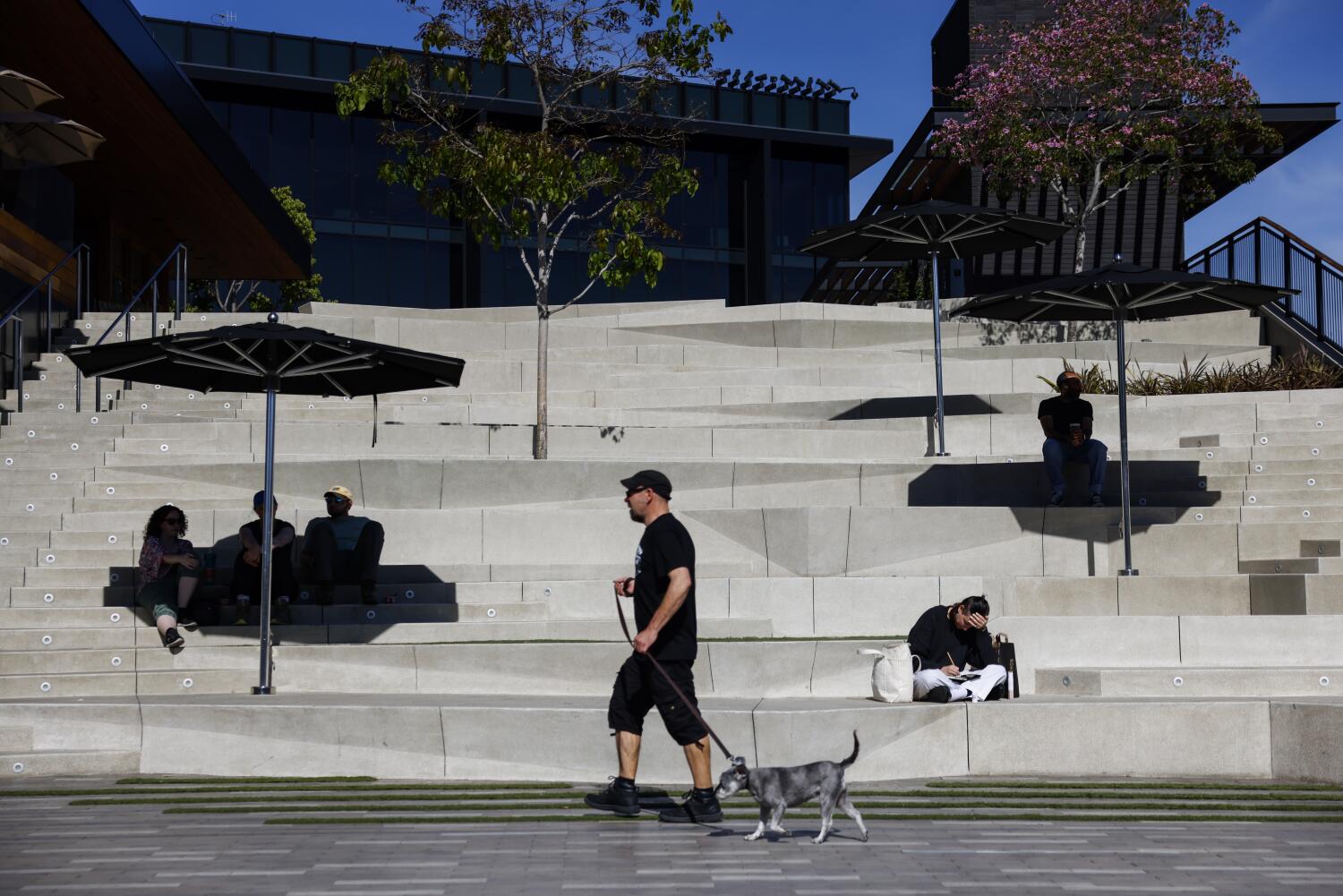
They're building startups in co-working spaces that look like they belong in Berlin. They're making indie films on iPhones. They're hiking in the Alborz mountains every Friday morning to escape the smog and the noise. That weekly trek to Darband or Tochal isn't just exercise. It’s a spiritual reset. Looking down at the sprawling, dusty city from the mountains gives you the perspective needed to dive back into the madness on Saturday.
How to Actually Understand the City
If you're trying to wrap your head around this place, stop looking for a single narrative. It doesn't exist. Tehran is a city of contradictions that somehow don't cancel each other out.
It’s the smell of fresh sangak bread at 6 AM. It’s the screech of brakes on Vali-e-Asr Street. It’s the quiet dignity of a retired colonel sitting in Laleh Park. It’s the high-speed chatter of girls in a North Tehran coffee shop.
You survive here by being fluid. You don't fight the current; you find the eddies. You learn who to trust, which "brother" to bribe, and which alleyway leads to the best hidden garden. It’s an exhausting way to live, but it produces a level of grit you won't find anywhere else.
To get a real sense of this, start by looking at the small things. Watch how people cross the street—it's a dance of mutual understanding between driver and pedestrian that defies all traffic laws but somehow works. Observe how many people are holding two phones. Notice the murals that are fading and the new graffiti that replaces them overnight.
If you want to understand the future of the region, watch Tehran. Not the politicians. Watch the people. They’re already living in the future, solving problems the rest of us haven't even encountered yet. They've turned survival into a sophisticated, beautiful, and heartbreaking art form.
Take a walk down Vali-e-Asr from the south to the north. See the transition from the traditional heart of the city to the modern, glass-towered heights. Pay attention to the planes of the trees. Talk to a student. Buy a cheap coffee from a street van. Don't look for the "regime" or the "opposition." Look for the people caught in between, making a life out of thin air. That's where the real story lives.