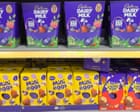
Easter is usually the time for indulgence, but the chocolate industry is putting everyone on a forced diet. If you’ve walked down the seasonal aisle lately and felt like the boxes looked a bit light, you aren't imagining things. You're witnessing a masterclass in shrinkflation. Manufacturers are charging you the same—or more—for significantly less chocolate. It’s a quiet tax on your holiday traditions.
The math doesn't lie. Brands are trimming grams off the weight of your favorite hollow eggs while keeping the packaging bulky to trick your brain into seeing value. This isn't just about a few missing bites of cocoa. It's a calculated move to protect profit margins at a time when the price of raw cocoa has hit record-breaking highs. You're paying for the air inside the box.
The cocoa crisis driving your expensive chocolate habit
Why is this happening now? The primary culprit is a supply chain nightmare in West Africa. Regions like Ivory Coast and Ghana produce the vast majority of the world’s cocoa, and they’ve been hammered by extreme weather and crop disease. When the raw material costs jump by 50% or 100% in a single year, chocolate makers face a choice. They can hike the price of a bar to $10 and watch sales vanish, or they can give you 180 grams instead of 200 grams and hope you don't read the fine print.
They chose the latter. According to data from consumer advocacy groups and retail analysts, some of the most popular Easter treats have shrunk by up to 10% in weight since last year. Meanwhile, the shelf price has climbed by at least that much. It’s a double hit. You lose the product and the purchasing power simultaneously.
Climate change plays a massive role here. Unpredictable rainfall patterns and El Niño effects have devastated harvests. Farmers are struggling. Logistics are expensive. But while the "why" is understandable, the "how" feels sneaky to the average person just trying to fill a basket for their kids.
How manufacturers hide the missing chocolate
Packaging is the greatest magician in the grocery store. Chocolate companies have spent decades perfecting the art of "slack fill"—that empty space in a container that makes it look full. For Easter eggs, this is incredibly easy. Since the product is already hollow and fragile, they justify massive cardboard boxes and plastic inserts as "protection."
In reality, those inserts are often redesigned to hold a slightly smaller egg in the same size box. You might notice the plastic cradle inside has deeper grooves or the cardboard has a false bottom. These design tweaks are expensive to implement, which shows you exactly how much brands want to avoid a direct price hike. They’d rather pay a packaging engineer to hide the shrinkage than be honest about the inflation.
The dark side of the snack size
It isn’t just the big eggs. The "multipack" is where the real carnage happens. Have you noticed the individual foil-wrapped eggs in a bag seem smaller? That’s because they probably are. Brands often reduce the count in a bag—say, from 10 eggs to 9—or they shave a couple of millimeters off the diameter of each piece.
When you multiply that across millions of units, the savings for the company are astronomical. For you, it’s just another disappointing snack. It’s death by a thousand cuts, or in this case, a thousand bites.
Why we keep buying despite the bad deal
Psychology is working against us here. Easter is a "high-emotion" holiday. We buy these products because of nostalgia and family expectations. Manufacturers know that most parents aren't going to sit in the aisle with a calculator comparing the price per gram of a 2024 egg versus a 2026 egg. We just grab the shiny foil and move on.
Retailers are also complicit. They use "Buy One Get One" deals or "3 for $15" promos to mask the unit price. These deals make us feel like we’re winning, even when the underlying value has eroded. If you actually look at the cost per 100 grams, you’ll find that Easter chocolate is some of the most expensive confectionery on the planet. You’re paying a massive premium for the shape of the chocolate and a bit of colorful cardboard.
Beating the system at the checkout
You don't have to be a victim of shrinkflation. If you want to save money and still have a decent holiday, you need to change how you shop. Stop looking at the big price tag on the shelf and start looking at the tiny "unit price" printed on the label.
Standard chocolate bars almost always offer better value than seasonal shapes. A 200g block of high-quality dark chocolate often costs half as much as a 150g Easter egg from the same brand. If you’re buying for adults, skip the hollow egg entirely. Buy a premium bar and wrap it nicely. They’ll get more chocolate, and it’ll likely be better quality.
Timing is everything
The best way to fight back is to wait. On the Monday after Easter, the "shrinkflation tax" disappears. Retailers need that shelf space for the next holiday, so they slash prices by 50% to 75%. If your kids are young enough to not know what day it is, or if you just want to stock up on treats for yourself, that's the time to strike.
Also, look for "own-brand" versions from discount supermarkets. Places like Aldi or Lidl have been much slower to shrink their products because their business model relies on simplicity rather than fancy, deceptive packaging. Their chocolate often wins blind taste tests anyway, and you’ll get the weight you actually paid for.
Check the weight on the back of the box every single time. Don't trust the size of the container. If the weight isn't clearly visible on the front, it's usually because the company has something to hide. Compare the weight to what you bought last year if you can remember. Usually, a quick search on your phone will tell you if a product has been "downsized" recently.
Shop by weight, ignore the bright colors, and refuse to pay for air. If consumers stop buying the worst offenders, the brands will eventually have to pivot. Until then, the only person looking out for your wallet is you. Take your business to the brands that still offer a fair ratio of cocoa to cardboard.