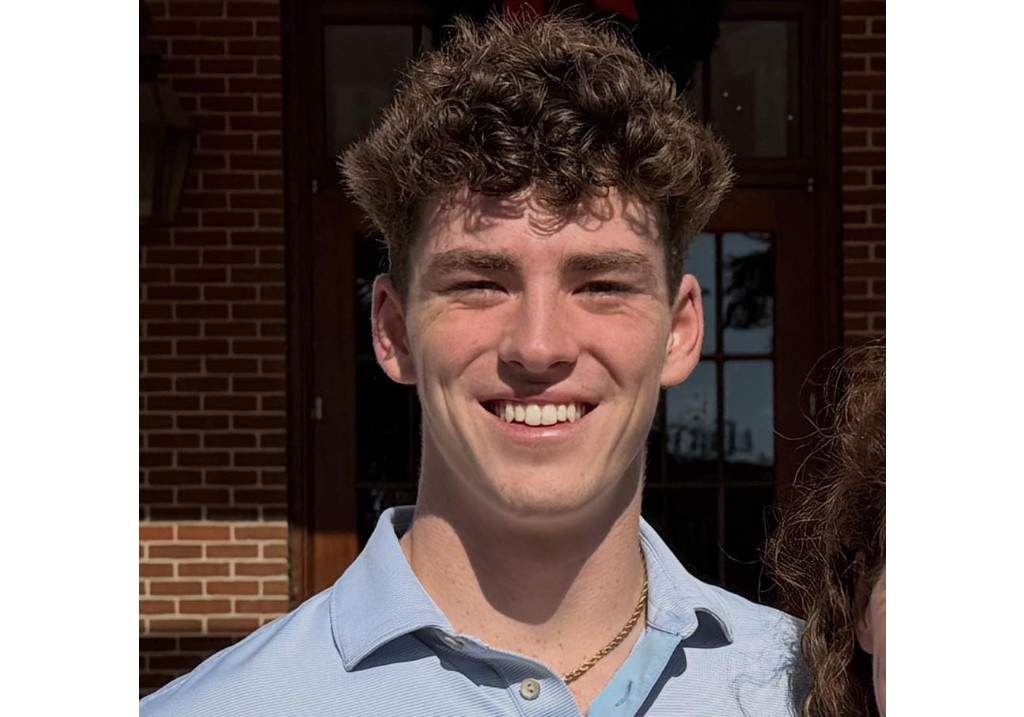
The headlines about James Gracey are a masterclass in performative shock. A young American student goes missing in Barcelona, and forty-eight hours later, his body is pulled from the water near a popular beach. The media cycles through the same tired script: a "tragic accident," a "mystery," and the inevitable warning to "stay in groups."
This isn't a mystery. It is a failure of logic.
The "lazy consensus" here is that European tourist hubs like Barcelona are inherently safe playgrounds where bad things only happen to the "unlucky." We treat these cities like Disney World with better architecture. In reality, Barcelona’s nightlife zones—specifically around the Port Olímpic and the Barceloneta—are high-friction environments where cultural arrogance meets predatory geography.
If you want to understand why students keep dying in the Mediterranean, you have to stop looking at the "what" and start dissecting the "where" and "why" that the travel industry refuses to touch.
The Geography of a Death Trap
The standard narrative focuses on the victim’s final steps. But look at the map. Barcelona’s coastline isn't just a beach; it’s a series of concrete groins, breakwaters, and sudden drop-offs engineered for maritime utility, not for intoxicated wandering.
When a student disappears from a club like Shôko or Opium, they are exiting a high-energy, high-security bubble directly into a dark, sprawling, and often confusing maritime industrial zone. The transition is instant.
- The Thermal Shock Factor: Tourists underestimate the Mediterranean. In early spring, the air might feel like a party, but the water remains a frigid $13^\circ\text{C}$ to $15^\circ\text{C}$. This triggers "cold shock response"—an involuntary gasp for air that leads to immediate water aspiration. You don't "swim" out of that. You drown in sixty seconds.
- The Urban Labyrinth: The Barceloneta boardwalk is designed to be aesthetic, not navigable for the disoriented. One wrong turn away from the streetlights puts a pedestrian on a slippery stone jetty with zero railings.
We call these accidents. I call them predictable outcomes of urban design that prioritizes "vibe" over basic kinetic safety.
The Myth of the Buddy System
Travel "experts" love the buddy system. It’s their favorite shield. "Don't let your friends walk home alone."
Here is the brutal truth: the buddy system fails because of the Bystander Effect and Group Polarization. I’ve spent a decade analyzing risk in international logistics, and the data is clear—groups of young adults actually take higher risks than individuals because they outsource their survival instincts to the collective.
In a group of five, everyone assumes someone else is keeping track of the "drunk one." When that person slips away to find a bathroom or clear their head, the group doesn't notice for twenty minutes. By then, the person is already in the water.
The buddy system isn't a safety strategy; it's a psychological pacifier that creates a false sense of security. If you are relying on a peer who is as impaired as you are to save your life, you have already lost.
The Barcelona Paradox: Crime vs. Safety
Barcelona is a city where you are statistically very unlikely to be murdered but almost guaranteed to be robbed. This creates a weird, distorted risk profile.
Tourists become obsessed with their wallets. They spend their mental energy guarding against pickpockets on La Rambla. This hyper-focus on "petty crime" blinds them to "existential risk." You can recover a stolen iPhone. You cannot recover from a fall into the Port Vell at 3:00 AM.
The city's reputation for being "safe" (low violent crime) actually makes it more dangerous for the average traveler. It lowers the cortisol levels. It makes people think they can walk along the darkened piers at night because "nobody is going to mug me here."
The Real Threats Nobody Mentions
- Rip Currents on Artificial Beaches: Human-made beaches (like those in Barcelona) create unnatural water movements around the stone "T-piers." These currents pull away from the shore with more violence than natural slopes.
- Infrastructure Blindness: European cities are old. They don't have the litigious "warning sign" culture of the United States. If there isn't a fence, an American assumes it’s safe to walk there. A local knows the lack of a fence just means the city didn't put one there.
Stop "Raising Awareness" and Start Managing Risk
Every time a tragedy like James Gracey’s happens, universities issue "travel advisories." These documents are useless. They are written by risk-aversion lawyers to protect the institution, not the student.
If we actually wanted to stop these deaths, we would stop telling students to "be careful" and start teaching them Situational Physics.
1. The 10-Second Rule
If you lose sight of your exit or your path back to a paved, lit road, you have ten seconds to stop moving and reorient. Most drowning victims in urban harbors aren't "jumping in"—they are walking until they run out of ground.
2. The Uber Fallacy
The assumption that a ride-share will save you is a trap. In Barcelona, wait times for apps during peak club hours can be 30 minutes. People get frustrated, decide to "walk a bit" to find a better pickup spot, and end up in the dead zones of the port. If you don't have a confirmed ride, you do not leave the light of the club entrance. Period.
3. Alcohol and Altitudes
Alcohol doesn't just impair judgment; it impairs the vestibular system—your internal level. On a flat sidewalk, you can compensate. On a narrow pier or a rocky embankment, you can’t.
The Discomforting Reality
We want to blame the city. We want to blame the clubs. We want to blame the "lack of police."
But the reality is that the modern "Study Abroad" industrial complex has sold a lie: that the world is a curated, safe experience for those with the right passport. It isn't. The Mediterranean is a graveyard of those who thought geography was a backdrop for an Instagram story.
Barcelona didn't kill James Gracey. A lethal combination of urban environmental friction, physiological cold shock, and the catastrophic illusion of "tourist safety" did.
Until we stop treating international travel like a supervised field trip and start acknowledging that these cities are complex, indifferent machines, we will keep pulling bodies out of the water.
Quit looking for a "mystery" where there is only physics. Stop asking "how did this happen" and start asking why you thought it couldn't.
Pack your bags, but leave the entitlement at the gate. The ocean doesn't care about your GPA or your semester abroad. It just waits for the next person who thinks the edge of the pier is a sidewalk.