The headlines say there's peace between the US and Iran, but don't tell that to the people in Beirut. On Wednesday, while diplomats were busy patting themselves on the back for a two-week truce, Israel launched "Operation Eternal Darkness." It was a brutal, ten-minute blitz that saw over 100 airstrikes tear through Lebanon. If you think a ceasefire in one part of the Middle East means the guns go silent everywhere else, you're looking at the wrong map.
Israel isn't playing by the same rulebook as the Pakistani mediators or the French. Prime Minister Benjamin Netanyahu made it clear: Lebanon is a separate fight. While the US and Iran have agreed to a temporary pause in their direct 38-day war, the Israel-Hezbollah conflict is entering its most violent phase yet. Don't forget to check out our previous post on this related article.
The Deadly Disconnect in the Ceasefire Deal
The confusion isn't just a "lost in translation" moment. It's a fundamental disagreement on geography. Iran and the Pakistani mediators insist that the 10-point proposal includes a full cessation of hostilities in Lebanon. French President Emmanuel Macron backed them up, claiming Lebanon is fully covered. Even Hezbollah signaled a pause, thinking they were safe under the Iranian umbrella.
Then came the bombs. To read more about the background here, The Washington Post provides an in-depth breakdown.
Israel's "Black Wednesday" assault killed over 300 people in a single day. The IDF targeted central Beirut, the Beqaa Valley, and southern ports like Tyre and Sidon. They didn't give warnings. They hit busy commercial districts during rush hour. In the village of Shmestar, a strike hit a cemetery during a funeral, killing ten mourners. This wasn't a precision strike against a hidden silo; it was a clear message that the Iran deal doesn't buy Hezbollah any breathing room.
- Casualty Count: Over 300 dead and 1,100+ injured in 24 hours.
- Target Scope: 100+ targets hit within 10 minutes.
- Infrastructure: Bridges over the Litani River have been systematically destroyed, isolating 150,000 people.
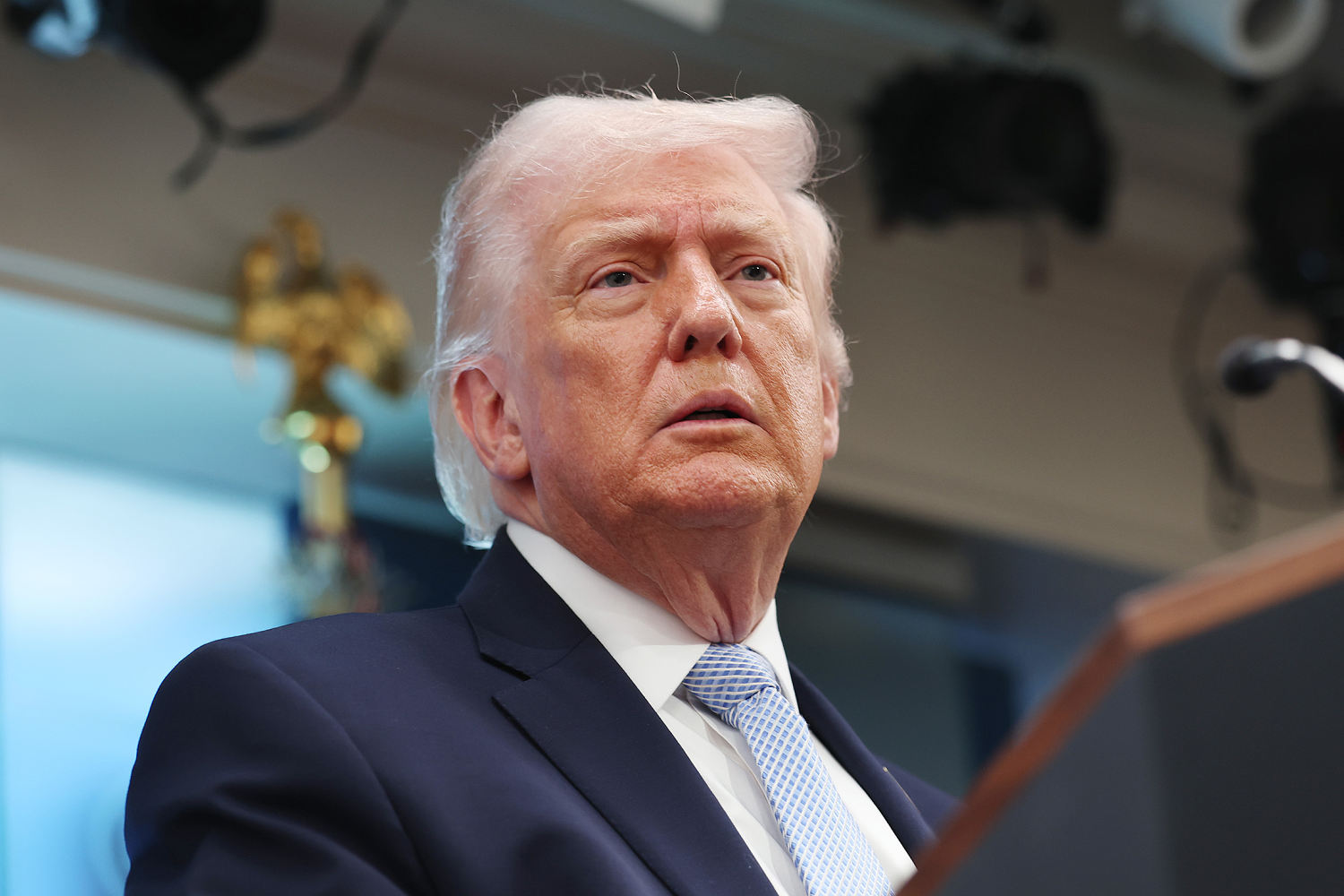
President Trump has since sided with Netanyahu, telling PBS that Lebanon is a "separate skirmish" that will "get taken care of." Honestly, it looks like a classic bait-and-switch. By separating the Iran front from the Lebanon front, the US and Israel have effectively isolated Hezbollah, leaving them without the direct Iranian cover they expected.
Why Israel is Doubling Down Now
You have to understand the Israeli strategy here. For the IDF, the Iran ceasefire is a gift. It allows them to pull resources away from the direct threat of Iranian missiles and focus "full force" on southern Lebanon. They aren't looking for a stalemate; they're looking for a demilitarized zone up to the Litani River.
The humanitarian cost is staggering. Human Rights Watch reports that nearly every main bridge connecting southern Lebanon to the rest of the country has been wiped out. The Qasmieh bridge is the last one standing, and it's barely holding on. When you blow up the bridges, you don't just stop Hezbollah trucks; you stop ambulances, food, and families trying to flee the "security zone" Israel is carving out.
Hospitals in Beirut are flooded. The American University of Beirut Medical Center is begging for blood donations. This isn't just a military operation; it's the systematic dismantling of a country's ability to function.
The Washington Talks and the Disarmament Trap
There's talk of a meeting in Washington next week. Netanyahu has ordered his ministers to seek direct talks with the Lebanese government. But there's a massive catch. Israel's price for peace is the total disarmament of Hezbollah.
It's a demand the Lebanese government can't meet. They don't have the military power to force Hezbollah to hand over its rockets. By making disarmament a prerequisite for a ceasefire, Israel ensures the fighting continues. It's a strategic loop. They strike to "pressure" Beirut, but the strikes only make the central government weaker and more desperate.
Don't expect the "US-Iran truce" to trickle down anytime soon. Hezbollah has already retaliated with rocket fire as far south as Tel Aviv and Ashdod. They've realized the Iranian deal didn't save them, so they're reverting to what they know: attrition.
What You Should Watch Next
If you're following this, stop looking at Tehran and start looking at the Litani River. The next few days will determine if Lebanon becomes a permanent "security zone" or if the international community can force the US to acknowledge that a ceasefire with a hole in the middle isn't a ceasefire at all.
- Monitor the Litani Crossings: If the Qasmieh bridge falls, southern Lebanon is effectively an island.
- Watch the Washington Invite: See if the Lebanese government actually shows up without a pre-arranged ceasefire.
- Check the Fuel Stocks: With the Strait of Hormuz supposedly reopening under the Iran deal, see if aid actually makes it to Lebanese ports or if the Israeli naval blockade stays tight.
The "Peace in our time" narrative is a myth. For Beirut, the war just got its second wind.