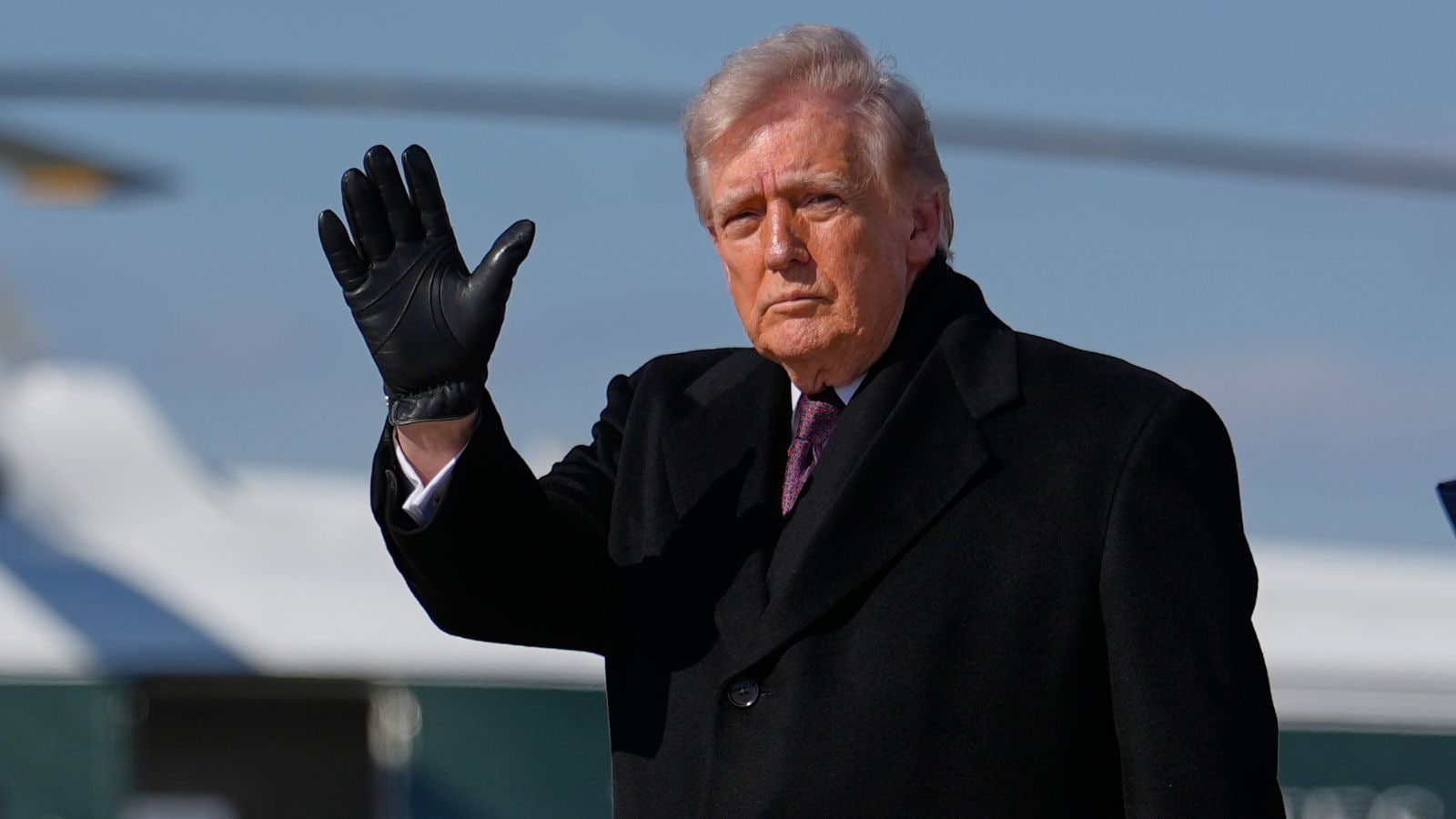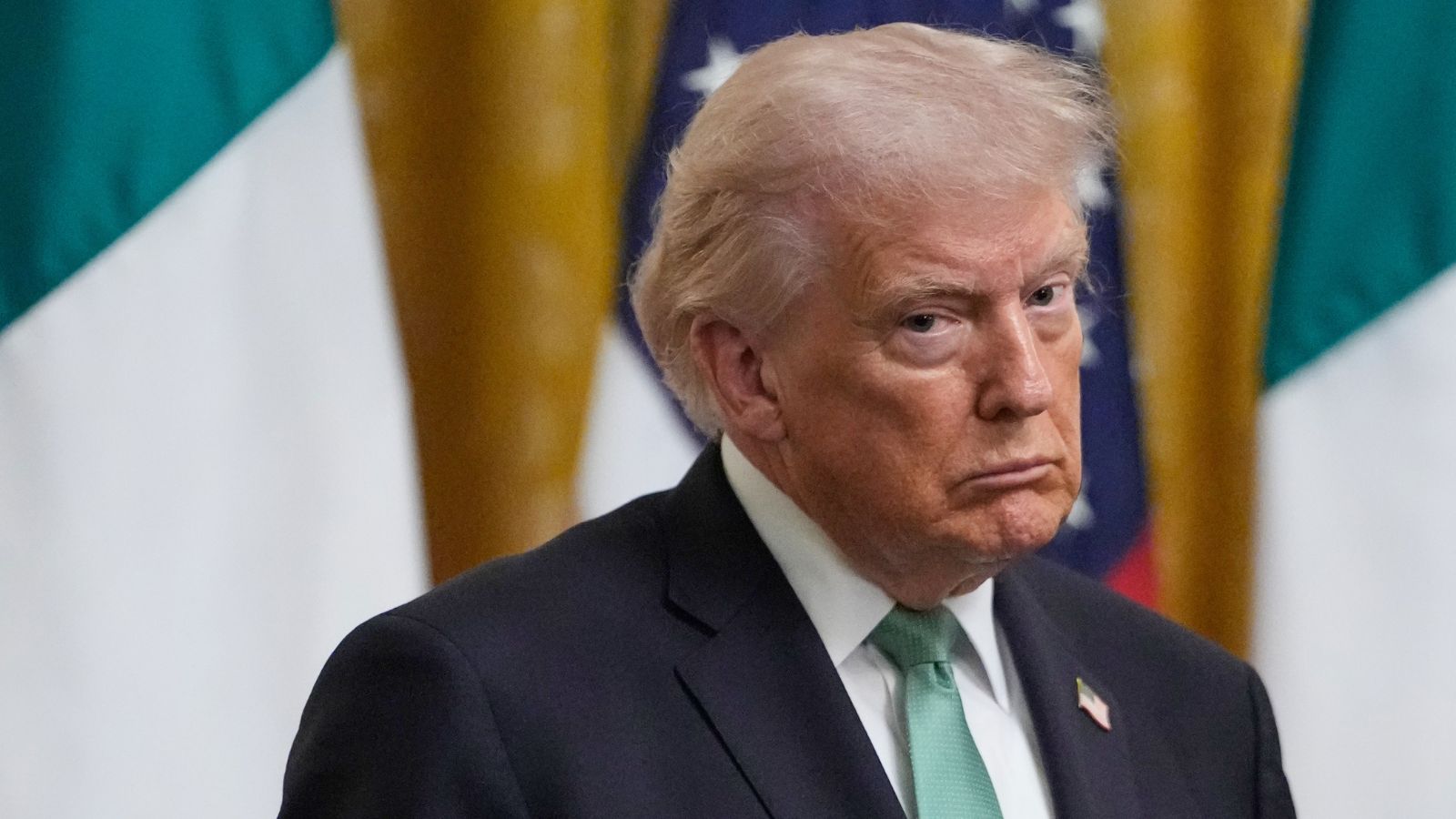
Donald Trump just threw a massive wrench into the global security machine. If you've been watching the news, you know the Middle East is currently a powder keg, and the U.S. President is standing there with a very large match. On Wednesday, Trump used his Truth Social platform to issue what looks like a final ultimatum to "non-responsive allies" who aren't helping the U.S.-Israeli coalition handle the crisis in the Strait of Hormuz.
The message is blunt. He’s basically saying that if the countries relying on that oil won’t step up, he might just "finish off" what's left of the Iranian state and walk away.
It’s a classic Trump move. He's leveraging the fact that the U.S. is now energy independent to tell Europe and Asia that their energy security isn't his problem anymore—unless they start paying or playing. This isn't just tough talk; it's a fundamental shift in how the U.S. views its role as the world's policeman.
The ultimatum that shook NATO
For decades, the U.S. Navy has guaranteed that oil flows through the Strait of Hormuz. It's a narrow stretch of water where about 20% of the world’s oil passes every single day. Since March 1, 2026, Iran has effectively choked that route off with mines, drones, and missiles.
Trump is furious that NATO allies like the UK, Germany, and France are hesitant to send their own warships into the fray. He called it a "very foolish mistake" and suggested that NATO’s future looks "very bad" if they don't get in gear.
The logic from the Oval Office is simple. Why should American sailors risk their lives to protect oil headed for Hamburg or Tokyo while those countries stay on the sidelines? Trump’s latest "finish off" rhetoric suggests he’s tired of the half-measures. He’s signaling that he’d rather escalate the military campaign to a total conclusion—wiping out the remaining Iranian infrastructure—and then let the rest of the world figure out how to navigate the aftermath.
What finish off actually means on the ground
When Trump talks about "finishing off what's left," he isn't speaking in metaphors. The U.S.-Israeli "Operation Epic Fury," which kicked off on February 28, has already been devastating. We’ve seen strikes that reportedly killed former Supreme Leader Ayatollah Ali Khamenei and decimated the Iranian Air Force and Navy.
According to Trump, there’s "practically nothing left to target." He’s claiming the Iranian military has no radar, no anti-aircraft machinery, and no organized fleet. But that’s a bit of an oversimplification. While the conventional military is in shambles, Iran’s "precise mass" strategy—using thousands of cheap drones—is still causing chaos.
- The Kharg Island Factor: Trump recently boasted that the U.S. "totally demolished" the Kharg Island oil hub. He even joked about hitting it again "just for fun."
- The Casualties: Strikes have already claimed around 1,300 lives. The humanitarian cost is mounting, and the pressure is on to see if the regime actually collapses or just retreats into a long-term insurgency.
- The Power Vacuum: If the U.S. truly "finishes" the state, there’s no plan for what comes next. Israeli officials have warned that toppling the regime completely could take a year, but Trump seems to want it done in weeks.
Why your gas prices are the real target
You’re probably feeling this at the pump. Global oil prices have spiked by nearly 50% since the conflict began. Trump is using this economic pain as a tactical weapon against his own allies.
By threatening to stop protecting the "Straight" (as he keeps spelling it), he’s telling Japan, South Korea, and the EU that their economies will crater if they don't join his military coalition. It’s a protection racket on a global scale. He’s betting that the fear of $200-a-barrel oil will force "non-responsive" nations to finally send their navies.
The rift with the UK and Europe
The tension with the UK is particularly sharp. Prime Minister Keir Starmer has been trying to walk a tightrope, saying the UK will defend itself but won't be drawn into a "wider war." Trump isn't having it. He’s openly expressed disappointment in Starmer, even comparing the current Iranian leadership to the worst villains of history to shame Europe into action.
The European Union, meanwhile, is meeting in Brussels but shows "no appetite" for a naval expansion. They're worried that Trump’s lack of a "backup plan" will turn the entire Middle East into a permanent war zone. They want a diplomatic exit, but with the U.S. and Israel hitting "regime personnel" directly, that door seems to be slamming shut.
What happens if the allies stay quiet
If Trump follows through on his threat to "let the countries that use it" be responsible for the Strait, we’re looking at a total breakdown of the post-WWII maritime order. You’d see a frantic scramble as countries like China or India potentially move in to fill the vacuum, or a complete halt in shipping that would trigger a global depression.
Trump is gambles on the idea that he can "put Iran out of business" quickly enough that the chaos is temporary. He’s told reporters the war will end "soon" and that he can take out Iran's entire electric capacity in an hour. It’s high-stakes poker where the chips are the global economy and regional stability.
The next few days are critical. Watch for whether the U.S. Treasury or State Department releases a formal list of coalition members. If that list is short, expect the rhetoric against NATO to get much uglier.
Keep an eye on the Brent Crude tickers and the movement of European destroyers toward the Persian Gulf. If those ships don't move, Trump’s next "Truth" might be the one that signals a full-scale ground invasion or a complete American withdrawal from maritime protection. Either way, the old rules of the Middle East are officially dead.