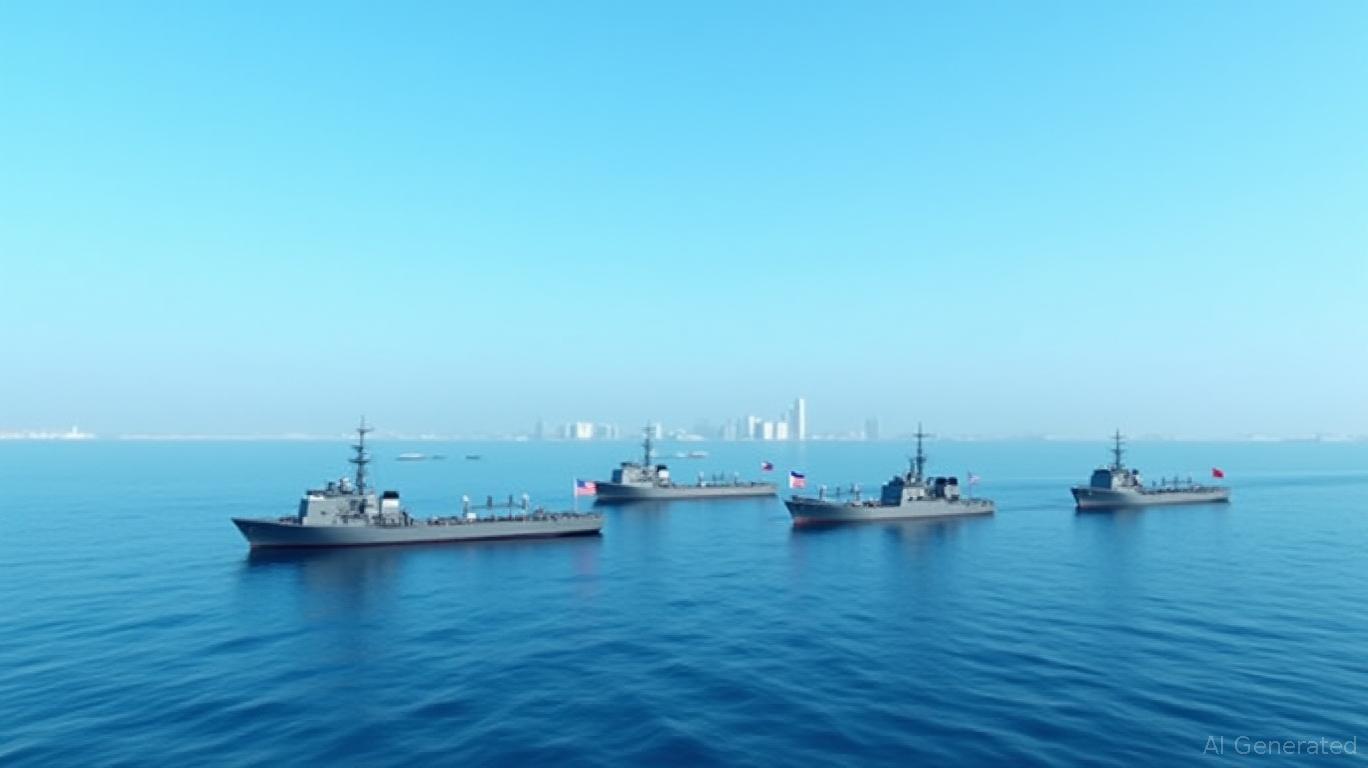
The US military is tired of playing solo cop in the world's most dangerous bathtub. Washington just sent a blunt message to its allies: pick a side and pick it now. For decades, the Strait of Hormuz has been the ultimate choke point for global energy, a narrow strip of water where a single spark could ignite a global economic meltdown. But the Pentagon is done carrying the full weight of patrolling these waters while everyone else enjoys the cheap oil. It wants a formal maritime coalition, and it wants the blueprints on the desk in a matter of days.
This isn't just another routine request for diplomatic cooperation. It’s a demand born of genuine irritation. Recent seizures of oil tankers and drone attacks on commercial vessels have turned the Persian Gulf into a high-stakes shooting gallery. If you think your gas prices are high now, imagine what happens when 20% of the world’s petroleum supply gets stuck behind a naval blockade. The US has the hardware to prevent that, but they’re asking why they should be the only ones burning through their budget to keep the lights on in Europe and Asia.
The 21 Mile Choke Point That Controls Your Wallet
The Strait of Hormuz is tiny. At its narrowest, it’s only about 21 miles wide. That’s a shorter distance than most people’s morning commute, yet nearly a third of all seaborne-traded oil passes through it. It’s the jugular vein of the global economy. When Iran threatens to shut it down, they aren't just rattling sabers at Washington; they're threatening the energy security of every nation that relies on Middle Eastern crude.
Current maritime law and the sheer volume of traffic make this area a nightmare to police. You’ve got hundreds of massive tankers moving in tight lanes, flanked by territorial waters that are constantly disputed. Iran knows this. They’ve perfected the art of "gray zone" warfare—using fast boats, mines, and drones to harass shipping without technically starting a full-scale war. The US Navy has been the primary deterrent here for years, but the sheer frequency of recent incidents has stretched resources thin.
Washington's current "frustration," as reported by several defense insiders, stems from a feeling of being used. Countries like Japan, South Korea, and several European nations rely almost entirely on this route for their energy needs. Yet, when the time comes to send destroyers or frigates to escort these tankers, many of these "allies" suddenly find themselves busy with other priorities. The US is basically saying the free ride is over.
Why Allied Hesitation is Making Things Worse
Why haven't the allies jumped at the chance to help? It’s complicated, but mostly it’s about fear of escalation. Many European nations worry that joining a US-led coalition will be seen as a direct provocation by Tehran. They still hold onto the hope of reviving diplomatic deals and don't want to be dragged into a shooting war because a stray drone hit a tanker.
But here’s the reality: hesitation creates a vacuum. When the West looks divided, it emboldens the very actors trying to disrupt the flow of trade. By dragging their feet, allies are actually making a conflict more likely, not less. The US argument is simple. A massive, unified show of naval force makes it clear that attacking a commercial ship is a losing bet. A fragmented response, where the US acts alone while everyone else sends "thoughts and prayers," just invites more harassment.
The Pentagon's "days, not weeks" timeline for a plan is a calculated move to force a decision. They want to see who is actually willing to put skin in the game. It’s a stress test for modern alliances. If the "Rules-Based International Order" can’t even agree to protect international waters from piracy and state-sponsored kidnapping, then what is it actually for?
The Logistics of a Real Maritime Coalition
What would this actually look like on the water? It isn't just about parking big ships in a row. It’s about integrated intelligence and surveillance. We’re talking about a tiered system:
- Sentry Vessels: Smaller, faster ships that can intercept harassment boats before they get close to tankers.
- Aerial Coverage: Constant drone and satellite monitoring to track every movement in the Strait.
- Coordinated Escorts: Establishing "blue corridors" where tankers move in convoys protected by multi-national naval groups.
This requires a shared command structure. You can't have five different navies operating under five different sets of engagement rules. If a fast boat approaches a Japanese tanker, a French frigate needs to know exactly when it’s allowed to fire a warning shot without checking back with Paris first. That level of integration takes time to build, which is exactly why the US is pushing for the plans now.
The Economic Fallout of Doing Nothing
If this coalition fails to materialize, the market will react long before a shot is fired. Insurance companies aren't stupid. They’ve already been hiking premiums for ships traveling through the Gulf. Some shipping companies are considering the "Long Way Round"—sailing all the way around the Cape of Good Hope. That adds weeks to the journey and millions of dollars in fuel costs.
Guess who pays for that? You do. It shows up at the pump, in the price of your groceries, and in the cost of every plastic product you buy. The US is trying to explain to its partners that security in Hormuz isn't a "favor" to Washington. It’s a necessary business expense for the modern world.
The political climate in the US is shifting, too. There’s a growing "America First" sentiment that questions why US tax dollars and lives should be spent protecting oil destined for competitors or disinterested allies. If the Biden administration—or any future administration—can't show that the burden is being shared, the domestic pressure to pull back will become overwhelming. And a US withdrawal from the Persian Gulf would be a disaster for global stability.
Putting the Pressure Where It Belongs
The demand for a plan "in days" is an ultimatum. It’s a way of stripping away the diplomatic fluff and getting to the core of the issue. Are you a partner or a passenger? The US has already started moving assets, but they’ve made it clear they won't be the only ones on the line.
Keep an eye on the responses from London, Paris, and Berlin over the next 72 hours. Their move will tell us everything we need to know about the future of global maritime security. If they step up, we might see a period of renewed stability in the Middle East. If they don't, expect the Strait of Hormuz to become even more of a tinderbox than it already is.
The time for "considering options" has passed. The ships are in the water, the drones are in the air, and the US is holding the stopwatch. Either the world shows up to protect its own interests, or it accepts the chaos that comes with looking the other way. Check the news by the end of the week; the shape of the new maritime reality is being decided right now.