In the salt-crusted belly of a merchant vessel navigating the Persian Gulf, the silence is heavier than the cargo. Sailors don’t look at the horizon for land anymore. They look for the gray, jagged silhouettes of warships. For decades, the water here has been a liquid highway for the world's energy, but today, it feels more like a tripwire.
When the order came from Washington to tighten the noose around Iranian ports, it wasn't just a move on a geopolitical chessboard. It was a physical constriction of a global artery. The directive aimed at "choking" the economic lifeline of Tehran has transformed these turquoise waters into a high-stakes standoff where the margin for error is measured in centimeters and seconds. Read more on a similar subject: this related article.
The Steel Ring
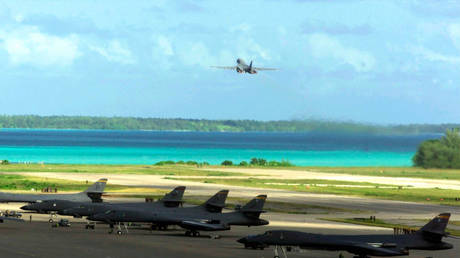
Imagine a harbor. Usually, it is a place of chaotic noise—cranes humming, diesel engines thumping, men shouting in a dozen languages. But at several key Iranian terminals, that noise has been replaced by a brooding stillness. Under the current administration's strategy, the U.S. Navy has increased its presence, creating what officials call a maritime pressure campaign.
It is a blockade in everything but name. Further reporting by TIME highlights comparable perspectives on the subject.
The logic is cold and mathematical. If you stop the ships, you stop the money. If you stop the money, you break the will of the regime. But ships are not just steel boxes; they are manned by people who are now caught in a game of chicken between two of the most heavily armed nations on earth. A single miscalculation—a stray warning shot, a misunderstood radar blip—could turn a trade dispute into a regional conflagration.
The View from Tehran
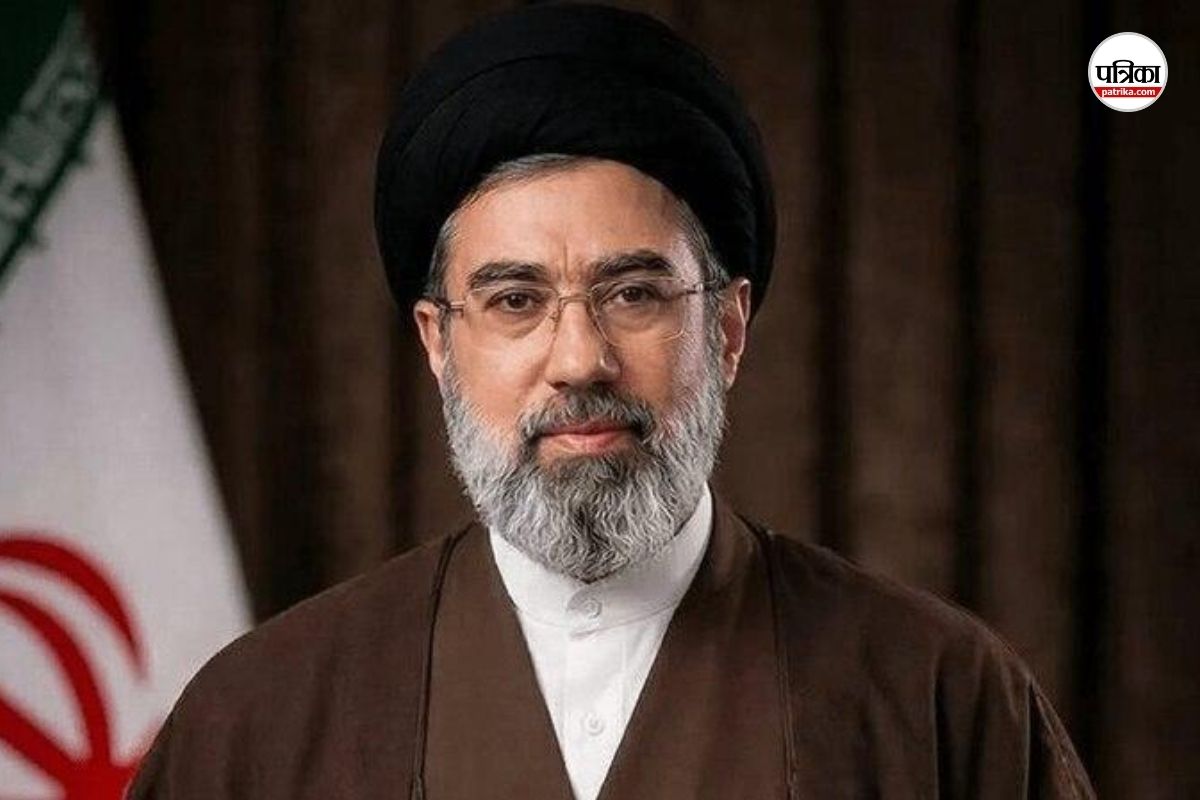
Tehran hasn't remained silent. The rhetoric flowing out of the Iranian capital has shifted from diplomatic frustration to what military analysts describe as "war footing." The warnings are no longer buried in the back pages of state-run media; they are delivered with the sharp edge of a threat.
"We will not allow our people to starve while the world watches," one official stated, echoing a sentiment that has trickled down to the streets.
To understand the tension, one must look at the Strait of Hormuz. It is a narrow choke point. At its tightest, the shipping lanes are only two miles wide. About a third of all sea-borne oil passes through this tiny gap. If Iran decides to follow through on its threat to "close the gates," the global economy wouldn't just stumble—it would collapse.
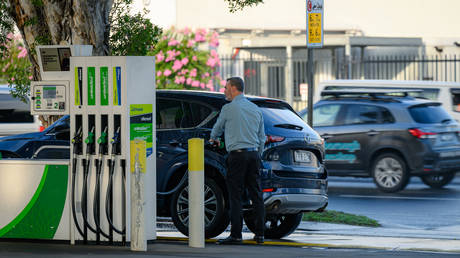
Think of the gas station down the street from your house. Think of the cost of heating your home in winter. Those prices are decided here, in this humid, tense stretch of water where teenagers in fast-attack boats buzz past billion-dollar destroyers.
The Invisible Toll
The headlines focus on the "Great Power Competition," but the human element is found in the markets of Bandar Abbas and the living rooms of Isfahan. Sanctions and port closures are invisible weapons. They don't explode, but they do destroy.
They destroy the ability of a father to buy imported medicine for a sick child. They destroy the dreams of a small business owner who can no longer source the parts he needs to keep his machinery running. When a port is circled by warships, the first thing that dies is the future. Uncertainty is a poison that seeps into every transaction, making every loaf of bread more expensive and every job less secure.
A History of Broken Waves
This isn't the first time the world has stared into this particular abyss. History remembers the "Tanker War" of the 1980s, where hundreds of merchant ships were attacked during the Iran-Iraq conflict. Back then, the sea was littered with burning hulls and oil slicks.
The current situation feels eerily similar, yet far more volatile. Technology has shortened the fuse. Drones now swarm over the waves, and cyber-warfare can disable a ship’s navigation before a single shot is fired. The gray zone—that space between peace and total war—has become crowded and claustrophobic.
The Ghost Ships
In response to the tightening American grip, a "shadow fleet" has emerged. These are aging tankers with scrubbed names and deactivated transponders, moving like ghosts through the night. They engage in ship-to-ship transfers in the middle of the ocean, trying to smuggle Iranian crude to buyers willing to risk the wrath of the U.S. Treasury.
It is a desperate, dangerous dance. These ships often lack proper insurance or safety inspections. They are environmental disasters waiting to happen, all to bypass a financial wall that is growing taller by the day.
The Breaking Point
The fundamental question isn't whether the blockade is effective—it clearly is, at least in terms of economic damage. The question is what happens when a nation feels it has nothing left to lose.
Diplomacy is often compared to a game of poker, but this is more like a game of Jenga. Both sides are pulling pieces out of the foundation, hoping the whole structure doesn't come crashing down on their heads. The U.S. bets that pressure will lead to a new deal; Iran bets that its defiance will eventually force the world to blink.
Meanwhile, the sailors on those gray ships and the families in the port cities wait. They watch the horizon. They listen for the sound of an engine that shouldn't be there. They know that in the history of the world, when you corner an opponent and leave them no exit, the only thing left for them to do is fight.
The sun sets over the Persian Gulf in a bruised purple and orange. It looks beautiful from a distance. But up close, the water is dark, and the steel is cold, and the world is holding its breath.