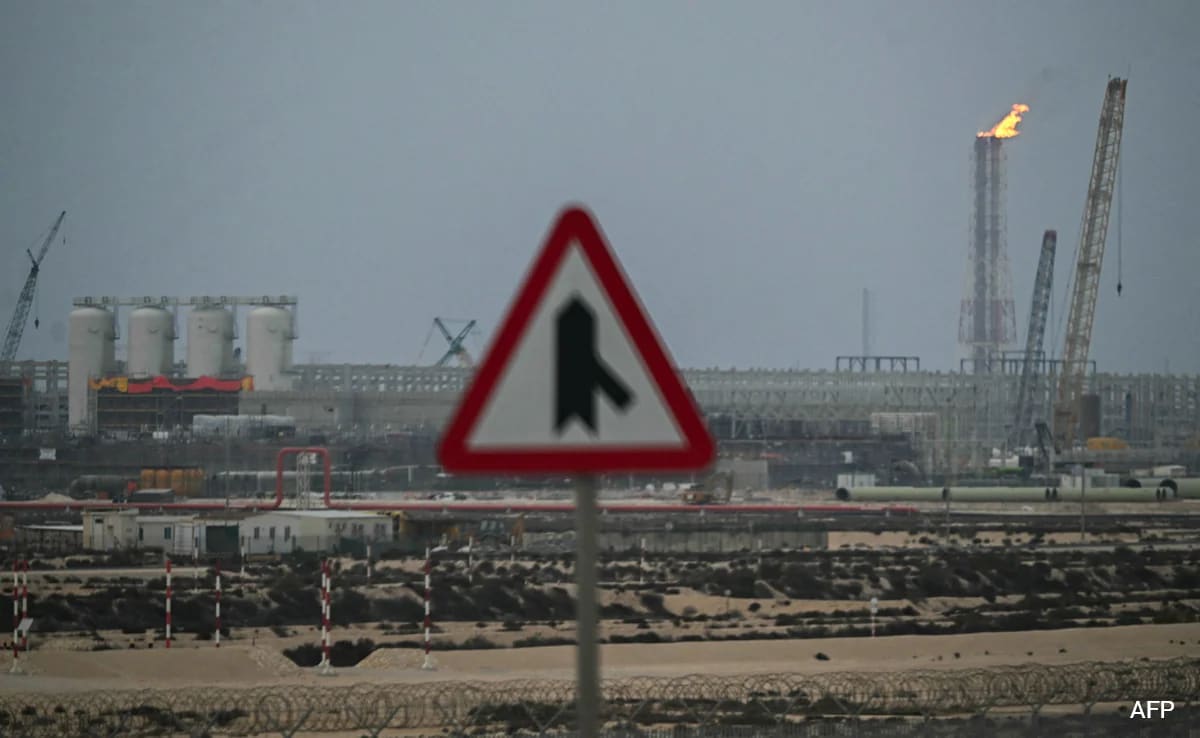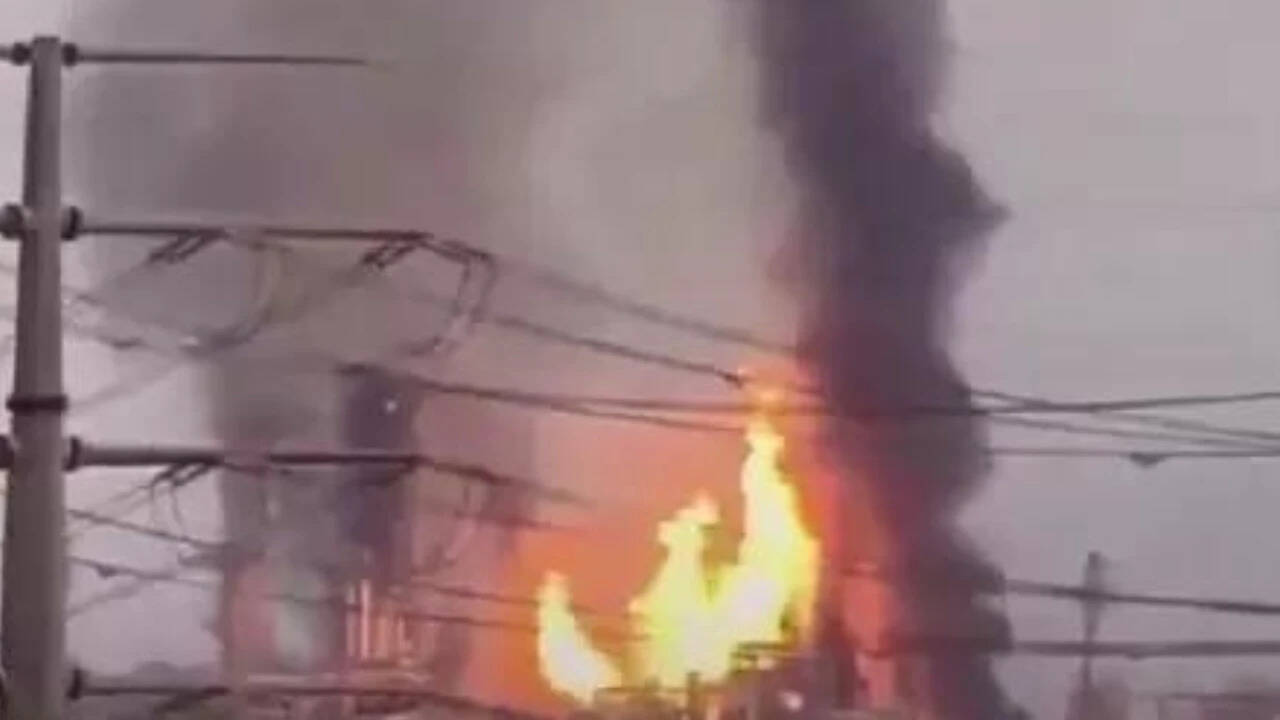
High oil prices usually trigger celebrations in Riyadh, but the current windfall born from regional instability feels more like a trap than a triumph. While escalating tensions between Iran and various regional actors have pushed Brent crude into a lucrative bracket, the Saudi leadership finds itself in a precarious contradiction. They are collecting record revenues from the very chaos that threatens to dismantle their long-term economic transformation. The Kingdom is not merely looking for a payday. They are attempting to rewire an entire nation, and you cannot build a global tourism and tech hub in a neighborhood that looks like a powder keg.
The math seems simple on a balance sheet. When supply chains in the Strait of Hormuz face threats or when Iranian production risks being sidelined by sanctions and strikes, the price of oil climbs. As the world’s most significant swing producer, Saudi Arabia reaps the immediate rewards. However, this "war premium" is toxic for Vision 2030. Crown Prince Mohammed bin Salman has staked his legacy on diversifying the economy away from fossil fuels. This requires massive inflows of Foreign Direct Investment (FDI). Investors, particularly those in the West and East Asia, are notoriously allergic to regions where missiles are a daily feature of the news cycle. Learn more on a similar subject: this related article.
The FDI Deficit and the Mirage of Oil Wealth
For the Saudi government, the influx of petrodollars acts as a temporary bandage on a structural wound. To fund giga-projects like NEOM or the Red Sea Project, the Kingdom needs more than just its own cash; it needs global partners to buy into the idea of a stable, modernizing Middle East.
Current geopolitical friction creates a risk profile that scares off the conservative institutional capital required for 30-year infrastructure bets. When Iran and its proxies engage in brinkmanship, the cost of insuring shipping rises, and the perceived risk of "doing business in the Gulf" spikes. Even if Saudi oil facilities remain untouched, the psychological barrier for an international tech firm looking to open a regional headquarters in Riyadh becomes significantly higher. Further reporting by Reuters Business delves into comparable views on the subject.
The Saudis are effectively watching their primary source of income rise in value while the "exit strategy" from that income becomes harder to execute. It is a golden cage. They are getting richer in the short term, but the volatility is stalling the very projects meant to ensure they stay rich once the world moves toward green energy.
The Iranian Shadow Over Modernization
Tehran remains the primary antagonist in the Saudi narrative of progress. The rivalry is no longer just about religious or ideological supremacy; it is a battle over economic viability. Saudi Arabia wants to be the center of gravity for Middle Eastern trade, logistics, and tourism. Iran, hampered by decades of sanctions and internal strife, possesses the capability to disrupt that ambition through asymmetric warfare.
Every time a drone or missile is intercepted, the narrative of a "Safe Saudi Arabia" takes a hit. The Kingdom has spent billions on sophisticated defense systems, but the cost of defense is an unproductive drain on a budget that should be flowing into domestic manufacturing and education.
- Asymmetric Costs: A drone costing $20,000 can force the deployment of interceptor missiles costing millions.
- Insurance Spikes: Commercial shipping rates in the Persian Gulf fluctuate wildly based on Iranian naval activity.
- Tourism Deterrence: Global travelers are fickle. A headline about regional war can empty luxury hotels in Diriyah faster than any marketing campaign can fill them.
The Saudi leadership knows that a direct, full-scale war with Iran would be an absolute catastrophe for their development goals. They have moved toward a more pragmatic, if icy, diplomacy with Tehran precisely because they realize that "winning" a war is less important than maintaining the stability required for economic growth.
The Aramco Dilemma
Saudi Aramco, the state-owned oil giant, sits at the heart of this tension. While the company reports staggering profits during periods of high oil prices, its valuation on the public market is often "discounted" by investors due to regional security risks. If the Kingdom wants to sell more shares of Aramco to fund its diversification, it needs a peaceful environment to achieve the highest possible valuation.
War premiums are fleeting. They are driven by fear, not by sustainable demand. The Saudi Ministry of Finance prefers a stable $80 per barrel price driven by global growth over a $110 price driven by the fear of an Iranian blockade. Stability allows for planning. Chaos only allows for reaction.
Why the Wealth feels Hollow
There is also the matter of domestic expectations. The Saudi population is young, tech-savvy, and increasingly expectant of the high-standard lifestyle promised by Vision 2030. They want jobs in cinema, coding, and green energy—not just a government stipend derived from oil.
When the state gets "rich" from war, it reinforces the old rentier state model that the government is trying to dismantle. It makes the transition to a tax-based, diversified economy more difficult because the urgency of reform feels less pressing to the average citizen when the coffers are overflowing. This is the "Resource Curse" in a new, more dangerous context.
The Strategic Shift Toward De-escalation
Look at the recent diplomatic maneuvers. The Chinese-brokered deal to restore ties between Riyadh and Tehran was not a sudden embrace of friendship. It was a cold, calculated business decision. The Saudis recognized that they cannot afford to be the world's most expensive target.
By lowering the temperature with Iran, Saudi Arabia is attempting to decouple its economic future from the constant cycle of Middle Eastern violence. They want the world to see them as a separate entity—a hub of stability in a volatile region. But as long as the "Iran War" narrative dominates the headlines, that decoupling remains an uphill battle.
Wealth is useless if it cannot be reinvested into a future that exists independent of the commodity that created the wealth in the first place. The Saudis are not "happy" about the current windfall because they know exactly what it costs in terms of reputation, risk, and delayed progress.
The Global Player's Burden
The Kingdom is also navigating a changing relationship with the United States. In the past, the U.S. provided a security umbrella that allowed the Saudis to focus solely on production. Today, the U.S. is a competitor in the energy market and a hesitant protector. This has forced Riyadh to take a more independent, and sometimes contradictory, stance on the global stage.
They must balance their role as the leader of OPEC+, their nascent diplomatic ties with Iran, and their strategic partnership with the West. This balancing act is exhausted by the constant threat of escalation. Each time a new flare-up occurs, the Saudi "neutrality" is tested, and their economic plans are put on the back burner as security becomes the only priority.
The true metric of Saudi success over the next decade will not be the price of oil or the size of their sovereign wealth fund. It will be whether they can convince a skeptical world that Riyadh is a safe place for capital, regardless of what is happening across the water in Tehran. Until that happens, the extra billions from high oil prices are nothing more than a consolation prize for a stalled revolution.
Rethink the way you view the Saudi position. It is not a nation capitalizing on misery, but a nation struggling to outrun its own geography. The faster the oil money rolls in due to war, the more it signals that the peaceful future they are buying is still out of reach. Check the FDI numbers for the next quarter. If they aren't moving up alongside the oil prices, the Kingdom is losing ground.