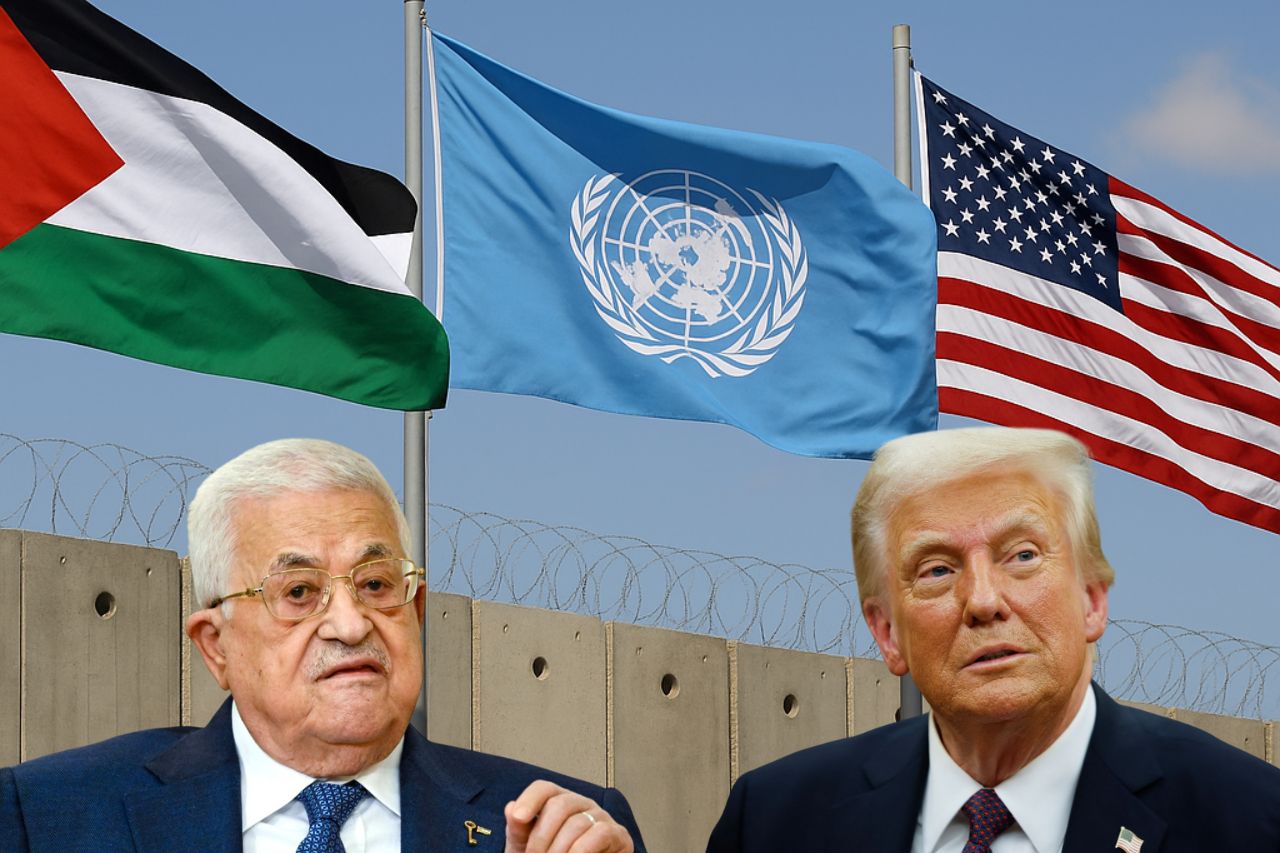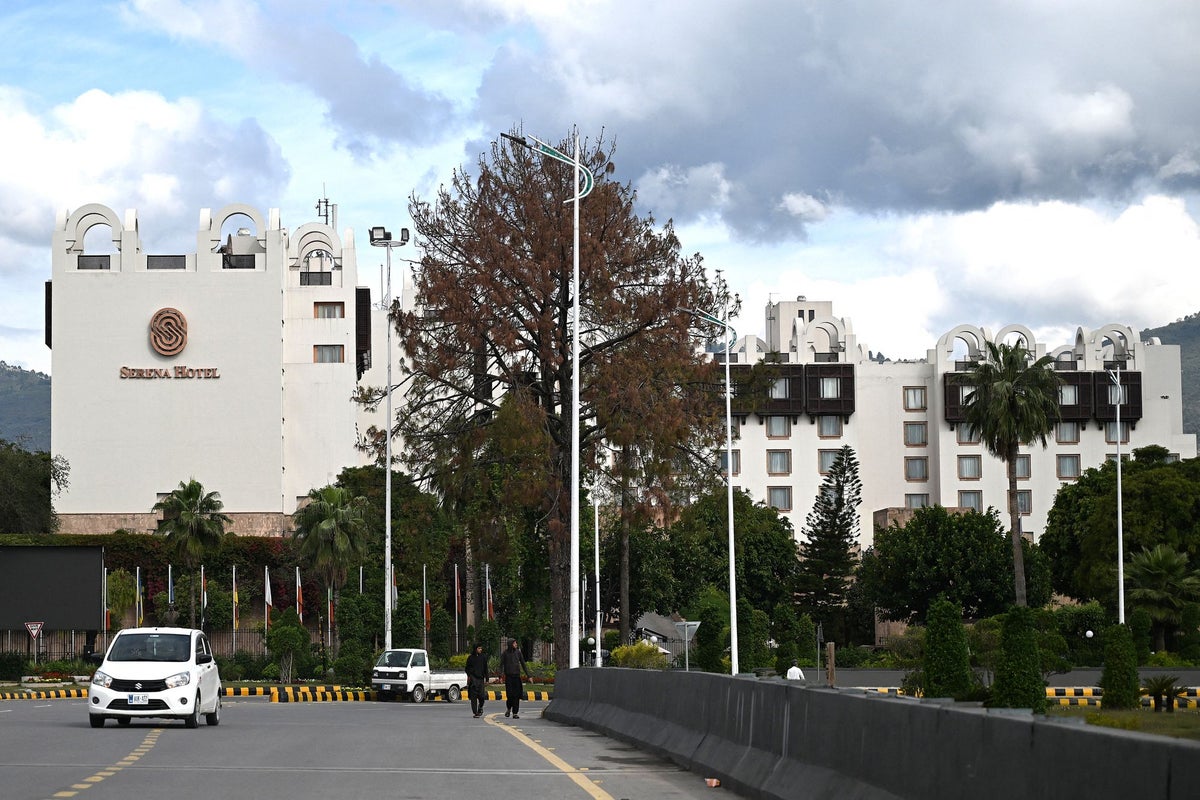
The international press is currently obsessed with the optics of Islamabad. They see the shuttered shops, the empty schools, and the boots on the ground as signs of a nation mobilizing for a historic diplomatic breakthrough between Washington and Tehran. They are wrong. This isn't a mobilization. It’s a stage production.
When a state declares a national holiday and deploys the army to secure a "peace summit," it isn't signaling strength or diplomatic readiness. It is signaling a desperate need for internal control. The mainstream narrative suggests that Pakistan is acting as the ultimate bridge-builder, leveraging its geography to end decades of US-Iran frozen conflict. If you believe that, you haven't been paying attention to how regional power actually functions.
The Security Theater Fallacy
Deploying the military to the streets of the capital doesn't make a summit safer; it makes it more fragile. In the world of high-stakes diplomacy, true stability is quiet. It’s invisible. When you have to shut down a nuclear-armed nation’s economy for three days just to ensure two delegations can trade barbs in a guarded room, you aren't hosting a summit. You are managing a hostage situation where the hostage is the country’s own infrastructure.
I have watched various administrations burn through billions in "security protocols" for events that could have been handled over a secure link or in a neutral third-party city like Geneva or Muscat. Why Islamabad? Because the optics of being a "global mediator" provide a temporary shield against IMF scrutiny and domestic unrest. It is a distraction, not a strategy.
The "lazy consensus" argues that Pakistan’s unique relationship with both the Pentagon and the Revolutionary Guard makes it the only viable venue. That is a fundamental misunderstanding of modern back-channeling. Washington and Tehran don't need a middleman to find each other’s phone numbers; they need a reason to stop the proxy wars. A national holiday in Islamabad doesn't change the calculus in the Strait of Hormuz or the hallways of the Dirksen Senate Office Building.
Follow the Money Not the Handshakes
Let’s talk about the economic cost. The "peace dividend" being sold to the Pakistani public is a myth. Closing down the business hubs of a country already struggling with double-digit inflation and a precarious balance of payments is fiscal suicide.
- The GDP Hit: A three-day shutdown in major urban centers wipes out billions in productivity.
- The Investor Signal: Foreign capital hates "emergency" measures. If a government must freeze its entire society to host a meeting, it tells investors that the state cannot guarantee basic functioning under pressure.
- The Military Budget: The logistical cost of moving brigades into the city for "crowd control" and "VVIP protection" eats into the very treasury that is supposedly being saved by this new era of regional peace.
If the goal were genuine economic stability, the government would be focusing on trade corridor mechanics, not photo-ops. But trade corridors are boring. They require structural reform. Photo-ops only require a few thousand uniforms and some flags.
The Myth of the Neutral Mediator
The most dangerous lie being told right now is that Pakistan is a "neutral" party in this. In geopolitics, neutrality is a luxury of the rich or the isolated. Pakistan is neither.
The military establishment has deep-rooted, complex dependencies on US military aid and hardware. Simultaneously, the energy needs of the country and the proximity of the border make a total break with Iran impossible. This isn't neutrality; it’s a tightrope walk over a pit of fire.
By positioning itself as the "host," Islamabad is trying to force both sides to acknowledge its relevance. But relevance bought through geography is fleeting. Real influence comes from economic gravity. Without a stable economy, Pakistan isn't a mediator; it’s a venue. There is a massive difference between being the "architect" of a deal and being the "hotelier" for the negotiators.
Dismantling the "People Also Ask" Delusions
Does this summit mean the US is pivoting back to South Asia?
No. The US is managing a crisis. Washington’s interest in the region is currently transactional and emergency-based. They are using the Islamabad venue because it’s convenient for the current administration to outsource the logistical headache of a high-risk meeting to a partner that is eager to please.
Will this bring down gas prices?
Imagine a scenario where a signed document in Islamabad suddenly clears the way for the Iran-Pakistan pipeline without triggering a wave of US sanctions. It won't happen. The legal and financial hurdles are baked into international law, not just diplomatic "moods." A handshake in a high-security zone doesn't erase the CAATSA (Countering America's Adversaries Through Sanctions Act) reality.
Is the army on the streets a sign of stability?
Quite the opposite. If the police and civil institutions cannot manage a diplomatic visit, the state is admitting a systemic failure. Using the army for civil administration during a summit is a "break glass in case of emergency" move. When you use that move for a scheduled event, the emergency is permanent.
The High Cost of the "Grand Gesture"
We see this pattern repeatedly in emerging markets. Governments substitute grand gestures for granular policy. They want the "Big Win"—the Nobel-adjacent peace deal, the world-shaking treaty—because they cannot deliver the "Small Wins" like a stable currency or a reliable power grid.
The army being out on the streets isn't about protecting the US Secretary of State or the Iranian Foreign Minister. It’s about projecting an image of total state authority to a domestic audience that is increasingly skeptical of the status quo. It’s a domestic policy masquerading as a foreign policy.
If this summit fails—and historically, these highly publicized "peace starts here" events usually result in little more than a joint statement about "continuing the dialogue"—Pakistan is left with the bill and a further eroded civil-military boundary.
The real work of diplomacy happens in windowless rooms in places you’ve never heard of, without the fanfare, without the national holidays, and certainly without the tanks on the street. The moment you see this much theater, you know the script is more important than the outcome.
Stop looking at the handshakes. Start looking at the empty markets and the cost of the fuel in the military trucks. That is the true price of this performance. Diplomacy isn't a holiday. It’s a trade. And right now, the trade looks incredibly lopsided.
Go back to work. The "peace" being sold in Islamabad is a luxury the taxpayers can't afford.