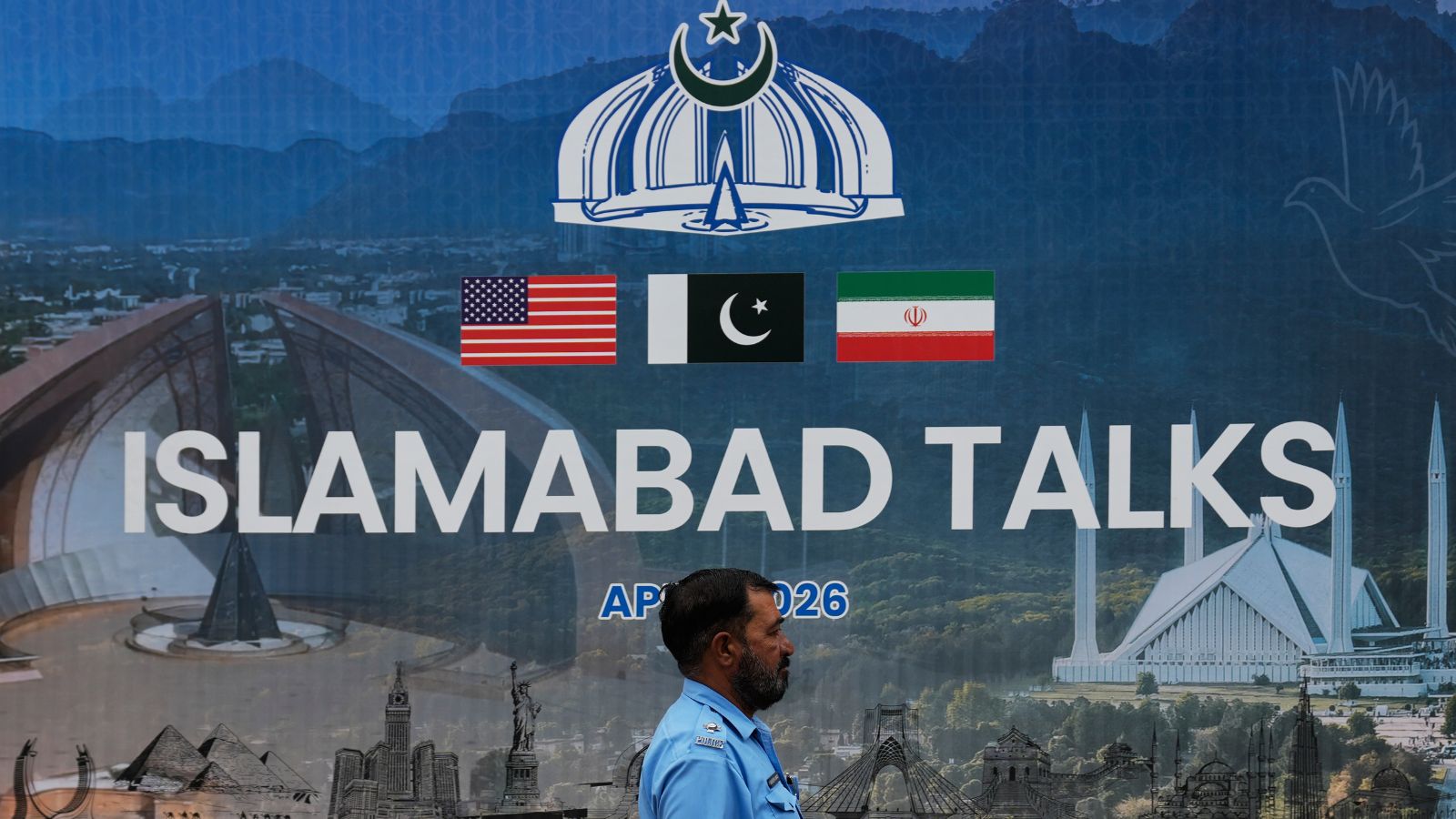
The headlines are screaming about a plane landing in Pakistan. They want you to believe this is the start of a thaw. They want you to think Islamabad is the secret bridge between Tehran and Washington.
They are wrong.
Watching the mainstream media track diplomatic flight paths is like watching a toddler try to predict the stock market by counting pigeons. You are looking at the theater, not the mechanics. When a U.S. delegation lands in Pakistan to discuss Iran, it isn't a sign of progress; it is a loud, ringing alarm that the actual channels have failed.
The "lazy consensus" suggests that Pakistan is a neutral mediator. That’s a fantasy. Pakistan is a regional player with its own desperate agenda, currently juggling a crashing economy and a border tension with Iran that recently involved actual missiles. To think they are a disinterested party facilitating peace is to ignore the last forty years of geopolitical reality.
The Proxy Trap
Everyone focuses on the "ceasefire." They ask: "Will they stop the shadow war?"
That is the wrong question. The shadow war is the only thing keeping the actual war from happening. In the world of high-stakes diplomacy, the friction is the point.
When the U.S. uses Pakistan as a backchannel, they aren't looking for a grand bargain. They are managing the mess. Pakistan’s involvement is a signal of desperation, not innovation. For decades, the real work happened in Muscat or Geneva. Why move to Islamabad now? Because the traditional pillars of mediation have grown cold, and the U.S. is scraping the bottom of the regional barrel for anyone who still has a working phone line to the IRGC.
The Pakistan Paradox
If you want to understand why this specific "breakthrough" is a mirage, look at the incentives.
- Financial Leverage: Pakistan needs U.S. favor for IMF stability. They need to look useful.
- Border Anxiety: Following the 2024 tit-for-tat strikes between Iran and Pakistan, Islamabad is terrified of being caught in the middle of a larger conflagration.
- The Chinese Shadow: Beijing is the real power broker in Tehran. If a deal was actually going to stick, the plane would be landing in Riyadh or Doha, backed by Chinese guarantees.
By landing in Pakistan, the U.S. is signaling that they are dealing with the symptoms—border security, militant groups like Jaish al-Adl, and spillover violence—rather than the disease, which is the fundamental nuclear and ideological rift between D.C. and Tehran.
The Myth of the Third Party Mediator
I have sat in rooms where "mediators" spent three days arguing over the shape of the table while the real decisions were being made over encrypted apps by people who weren't even in the building.
The media loves the image of the neutral third party. It’s clean. It’s cinematic. But in the Middle East, there is no such thing as a neutral party. There are only parties whose interests temporarily align with your own.
The "ceasefire" being discussed isn't a peace treaty. It’s a tactical pause. Both sides are catching their breath. The U.S. wants to pivot to domestic concerns and the Pacific; Iran wants to stabilize its internal dissent and ensure its proxies remain viable for the next round. Pakistan is just providing the room and the tea.
Stop Tracking Planes Start Tracking Logistics
If you want to know if a ceasefire is real, stop looking at FlightRadar24.
Look at the insurance premiums for tankers in the Persian Gulf. Look at the movement of IRGC-linked assets in Iraq. Look at the rhetoric coming out of the hardline newspapers in Tehran, not the sanitized English-language press releases.
When a delegation lands in Islamabad, it's often a "check-the-box" exercise. It allows the State Department to tell Congress they are "pursuing all diplomatic avenues" while simultaneously maintaining the sanctions regime that keeps the status quo in place. It is performative stability.
The Brutal Reality of Regional Leverage
The competitor’s article will tell you this is a "pivotal moment." I’m telling you it’s a distraction.
- Iran doesn't trust Pakistan: Why would they? Pakistan is a major recipient of U.S. military aid.
- The U.S. doesn't trust Pakistan: After years of double-dealing in Afghanistan, the trust deficit is a canyon.
- The outcome is baked in: Neither side wants a total war, but neither side can afford a total peace.
True diplomacy is ugly. It happens in secret, it involves distasteful concessions, and it almost never starts with a publicized flight to a secondary regional power.
The Actionable Truth
For the observer, the lesson is simple: ignore the "Live Updates."
If you are a business leader or an investor trying to hedge against Middle Eastern volatility, don't change your strategy based on a Pakistani press release. The underlying tension remains. The proxy networks remain. The nuclear centrifuges are still spinning.
The only thing that has changed is the location of the coffee.
We are seeing a masterclass in "Atmospheric Diplomacy"—creating the appearance of movement to calm markets and pacify domestic critics without actually resolving the core conflicts. It’s a stall tactic. And if you’re falling for it, you’re the one being stalled.
The real news isn't that a plane landed. The real news is that we are still pretending these meetings matter.
The geopolitical landscape hasn't shifted an inch. The players have just swapped masks. If you want the truth, watch the money, watch the missiles, and ignore the diplomats. They are the last people to know when the world actually changes.