The air on Signal Hill usually carries the bite of the Atlantic, a cold, salt-sprayed wind that rattles the windows of idling cars. On this particular evening in late March 2026, the wind is secondary to the silence. Hundreds of people are standing still. Their eyes are locked on a thin strip of horizon where the orange glow of the setting sun is bleeding into a bruised purple.
Among them is Yusuf. He is seventy-two years old, and his coat is buttoned to the chin. He isn't looking through the high-powered telescopes set up by the Crescent Observers Society. He is squinting, using nothing but the naked eye and a lifetime of muscle memory. Beside him, his grandson, Omar, fidgets with a smartphone, checking a weather app that insists the sky is clear.
"Do you see it yet, Nana?" the boy asks.
Yusuf doesn't answer immediately. He knows that what they are looking for—the hilal, the thin crescent of the new moon—is more than just a celestial body. It is a finish line. It is the end of thirty days of hunger, of long nights of prayer, and of a communal discipline that has pushed the South African Muslim community to its spiritual limits. If they see it tonight, tomorrow is Eid ul Fitr. If they don't, the fast continues for one more day.
The stakes are invisible but immense. Behind Yusuf, thousands of families are waiting for a single phone call or a radio broadcast. Caterers have pots of biryani half-prepped. Tailors are holding their breath over unfinished thobes. Mothers are deciding whether to set the alarm for a 4:00 AM pre-dawn meal or for the celebratory Eid prayer.
The Geography of a Shadow
In South Africa, the announcement of Eid ul Fitr 2026 isn't just a matter of checking a calendar printed months in advance. It is an act of witness. While much of the world relies on astronomical calculations, South Africa maintains a rich, lived tradition of physical sighting. This creates a unique tension. Because the moon is a moving target and the Earth is a sphere, the moment of its "birth" doesn't happen for everyone at once.
Consider the geometry of the sky. The moon must be far enough from the sun’s glare and high enough above the horizon to be visible to the human eye after sunset. In 2026, the astronomical New Moon occurred on the 18th of March. However, "birth" is not "visibility." For a moon to be seen in Cape Town or Johannesburg, it needs time to grow into a visible sliver.
This explains why, as Yusuf stares at the horizon, his cousins in Saudi Arabia or Malaysia might have already started their celebrations. They are hours ahead in time zones, and the lunar curve favored their coordinates a day earlier. In South Africa, the crescent was too young, too shy, tucked too closely behind the sun's remaining radiance on the previous evening.
The Council of the Crescent
Back on Signal Hill, the "Maankykers"—the moon watchers—are meticulously scanning the sky. They aren't just enthusiasts; they are part of a disciplined network. When a sighting is claimed, it isn't immediately taken as gospel. The witness is questioned.
"Where exactly was it?"
"How high above the horizon?"
"Which way were the horns of the crescent pointing?"
It is a beautiful, archaic rigors. In a world of instant gratification and digital certainty, this process forces a pause. It connects the high-tech 2026 world of fiber-optic cables and AI-driven logistics to a desert tradition fourteen centuries old.
The United Ulama Council of South Africa (UUCSA) serves as the central nervous system for this information. They wait for reports from Cape Town, Pretoria, Durban, and small Karoo towns where the air is so thin and clear it feels like you could touch the stars.
The official declaration for 2026 eventually ripples through the crowd: The moon has been sighted. The month of Ramadan is over. Eid ul Fitr will fall on Friday, March 20, 2025.
The Why Behind the Discrepancy
A common frustration bubbles up every year. Why can’t we all just agree? Why is London celebrating on a Tuesday while Cape Town waits for Wednesday?
The answer lies in the friction between science and tradition. There are two primary schools of thought that govern the Islamic calendar. The first is Ikhtilaf al-Matali, or the "Difference of Rising Points." This view holds that each region should sight its own moon. If the horizon in South Africa is clouded or the moon is too low, the local community completes thirty days of fasting, regardless of what happens in Cairo or Mecca.
The second is Ittihad al-Matali, or "Global Sighting." This perspective argues that if the moon is seen anywhere on Earth, the entire global community should celebrate together.
South Africa largely leans toward the local sighting. It is a choice that prioritizes the local environment and the physical act of looking up. It creates a sense of "South African-ness" within a global faith. It means that for Yusuf and Omar, the holiday doesn't start because of a tweet from across the ocean; it starts because they stood on a hill and shared the sky with their neighbors.
The Human Cost of a Calendar
For a business owner in Fordsburg or a schoolteacher in Mitchells Plain, this uncertainty is a logistical puzzle. You cannot "book" Eid. You can only prepare for a window of time.
Think of a baker who must produce five hundred milk tarts. If Eid is on Friday, the tarts must be baked Thursday night to be fresh. If the moon isn't sighted, those tarts sit for an extra twenty-four hours, losing that perfect, wobbly consistency.
Or consider the emotional weight for a revert to the faith, someone celebrating their first Eid alone. They sit by the radio, waiting for the verdict. The delay isn't just a factual update; it is an extension of the spiritual marathon. That extra day of fasting—the 30th day—is often the hardest. The body is depleted, the mind is focused on the feast, and then, the sky says: Not yet. Wait. Be patient.
This patience is the hidden curriculum of the lunar calendar. It teaches that humans are not the masters of time. We are its observers. We do not dictate when the month ends; the universe does.
The Morning of the Feast
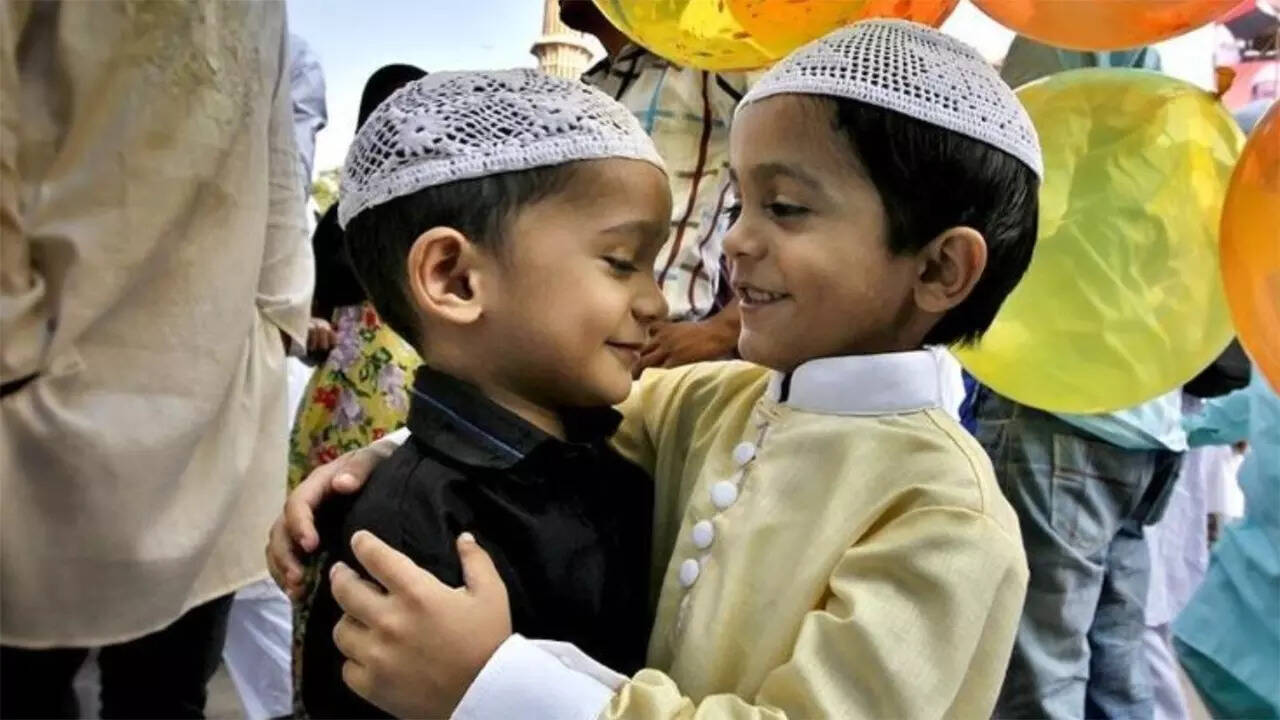
When the announcement finally breaks, the atmosphere shifts instantly. The silence of the hill is replaced by a low hum of "Eid Mubarak" and the frantic tapping of screens.
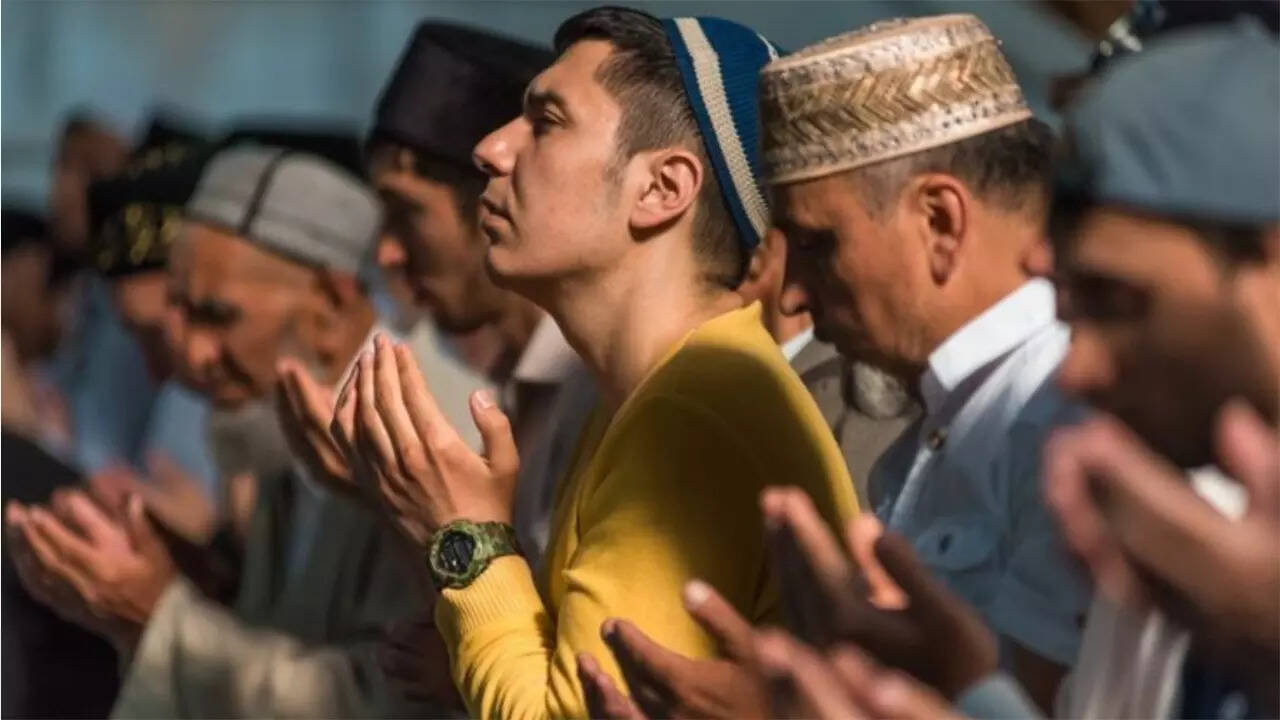
On the morning of March 20, the landscape of South Africa changes. The sports fields and large mosques become seas of color. In the 2026 climate, where political and economic tensions often dominate the headlines, the sight of thousands of people bowing in unison is a powerful counter-narrative.
The sermon usually touches on charity—Zakat al-Fitr—a mandatory donation given before the prayer to ensure that even the poorest person in the city has a meal on this day. It is the final "check" on the ego. You cannot feast while your neighbor hungers.
Yusuf watches Omar join the prayer lines. The boy’s sneakers are brand new, bought specifically for this day. The tradition has passed from the ancient sky to the old man’s eyes, and now to the young man’s heart.
The "different days" of Eid across the globe are often seen as a sign of disunity. But look closer. They are actually a rolling wave of celebration. As the sun sets across the globe, one country hands the torch of celebration to the next. It is a twenty-four-hour cycle of joy that follows the curve of the Earth.
By the time the sun hits the midday mark in Cape Town on Friday, the tables are laden. There is the scent of cloves and cinnamon, the sticky sweetness of boeber, and the savory richness of slow-cooked lamb. The "dry facts" of an astronomical date have been transformed into the wet tears of a mother hugging a son she hasn't seen all year.
The moon has done its job. It appeared, a fragile silver sliver against the dark, and in doing so, it pulled millions of people out of their daily grind and into a moment of shared humanity.
Yusuf sits on his porch, a cup of tea in hand, watching the neighborhood kids run past. He doesn't care that the moon was seen a day earlier elsewhere. He cares that it was seen here. He cares that the fast was completed, the prayers were said, and the community is whole.
The sky is empty now, the moon having moved on to guide someone else’s tomorrow. But the warmth of the day remains, a lingering reminder that some things are worth waiting for, even if you have to stand on a cold hill in the wind to find them.
Would you like me to create a detailed guide on the specific traditional foods served during a South African Eid celebration?