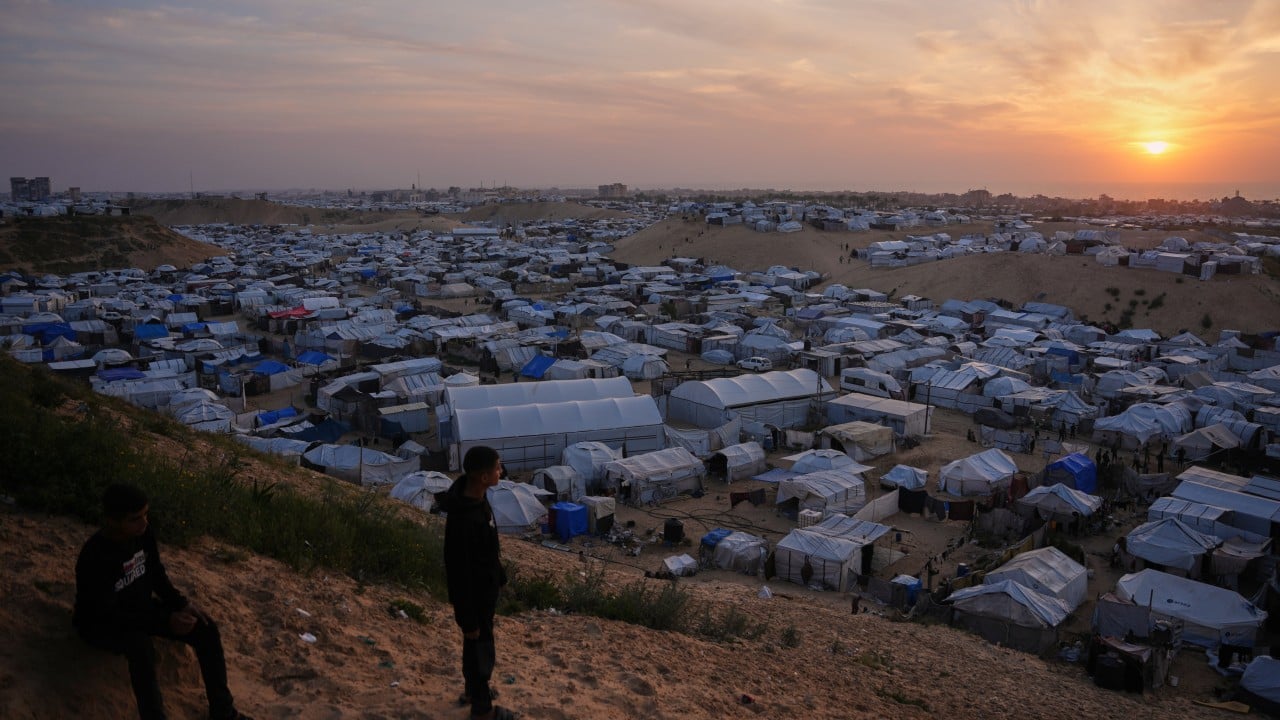
The inability to recover and inter human remains in a post-kinetic environment is not merely a humanitarian crisis; it is the final stage of total infrastructure failure. In the Gaza Strip, six months of nominal ceasefire have failed to resolve the backlog of unrecovered casualties because the problem is treated as a moral failing rather than a breakdown of the Three Pillars of Civil Continuity: physical access, forensic capacity, and the integrity of the soil-water nexus. When these pillars collapse, the biological reality of death transitions from a private grief into a permanent public health hazard and a sociological catalyst for radicalization.
The Friction of Recovery Architectural and Kinetic Barriers
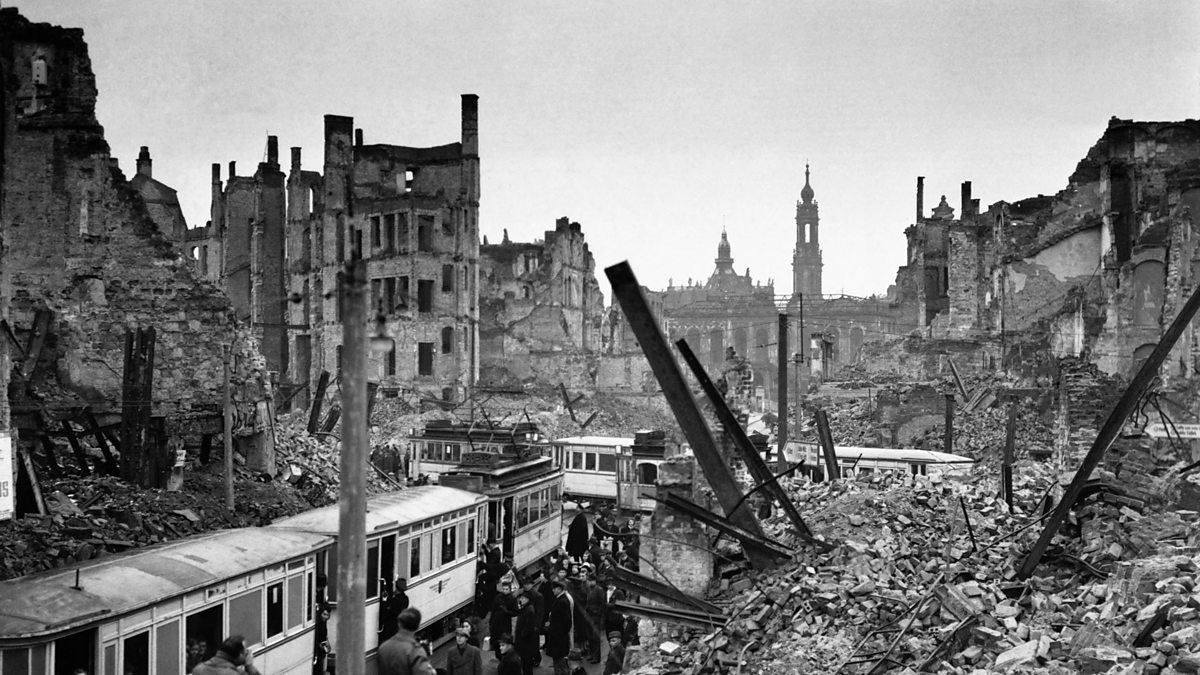
The primary bottleneck in recovery operations is the physical state of the urban environment. Standard search-and-rescue (SAR) protocols assume a distinction between "damaged" and "destroyed" structures. In Gaza, the saturation of high-explosive munitions has transformed the verticality of urban living into a subterranean mass of compressed concrete and rebar.
- The Structural Entropy Variable: Multi-story buildings collapsed by heavy munitions create a "pancake effect." Unlike a singular structural failure, this creates layers of debris that require heavy industrial machinery—specifically high-tonnage cranes and hydraulic excavators—to clear. The current scarcity of such machinery creates a hard cap on the rate of recovery.
- Unexploded Ordnance (UXO) Density: Estimates suggest that roughly 10% of munitions fail to detonate. In a high-density urban environment, this creates a high-risk probabilistic field. Every shovel of earth or piece of rebar moved represents a potential kinetic event. The recovery of a single body is therefore tied to the speed of Mine Action (MA) clearance, which is currently outpaced by the sheer volume of debris.
- The Depth-of-Burial Correlation: Casualties trapped in deep basement levels or tunnels are subject to different rates of decomposition and environmental shielding than those in surface-level rubble. Reaching these depths requires not just machinery, but geological stability that is currently absent due to ongoing seismic shocks from nearby kinetic activity.
Forensic Depletion and the Erosion of Identity
A "burying" ceremony requires the identification of the deceased to maintain the social contract between the state, the family, and the individual. The cessation of hostilities has not restored the forensic infrastructure necessary to process thousands of remains.
The Identification Deficit is a product of three specific resource failures:
Genetic and Digital Data Loss
Forensic identification relies on the comparison of post-mortem (PM) data with ante-mortem (AM) records. The destruction of civil registries, hospital servers, and dental records has severed the link between the body and the identity. Without a centralized, secure database of DNA or biometrics, thousands of individuals remain "legally missing" even if their remains are physically located. This creates a state of perpetual limbo for the surviving population, preventing the execution of inheritance laws, remarriage, or the distribution of social benefits.
Thermal and Biological Degradation
The six-month timeline is critical because of the environmental conditions in Gaza. High temperatures and humidity accelerate the rate of soft tissue decomposition. After 180 days, DNA extraction shifts from tissue-based to bone-marrow-based, which requires more sophisticated laboratory equipment and specialized chemical reagents—both of which are restricted under current dual-use import regulations.
The Professional Brain Drain
The personnel required for large-scale forensic recovery—pathologists, odontologists, and DNA analysts—have been killed, displaced, or are currently operating in triage modes for the living. The loss of human capital in this sector is a non-linear problem; you cannot replace a decade of forensic training with an emergency workshop.
The Environmental Cost Function of Mass Graves
When official recovery systems fail, the population resorts to informal, "ad hoc" burials. While this fulfills an immediate psychological need, it introduces long-term ecological risks that are often ignored in standard reporting. The geography of Gaza, characterized by a shallow coastal aquifer, is particularly sensitive to biological contamination.
- Leachate Contamination: Mass burials in non-engineered sites allow for the leaching of decomposition byproducts and pathogens into the groundwater. In a region where 95% of the water is already unfit for human consumption, this creates a secondary mortality loop through the spread of waterborne diseases.
- Vector Proliferation: Unburied remains provide a massive food source for rodents and insects, which serve as vectors for zoonotic diseases. This is not a localized issue; vectors do not respect ceasefire lines or military zones.
- Soil Chemistry Alteration: The presence of heavy metals from munitions (lead, mercury, and depleted uranium components) alongside biological remains creates a toxic soil matrix. This permanently alters the agricultural potential of the land, turning former breadbaskets into dead zones.
The Socio-Psychological Feedback Loop
The inability to bury the dead creates a phenomenon known as "ambiguous loss." In a standard mourning cycle, the presence of a body allows for the closure of a social unit. In the current Gaza context, the absence of a grave site acts as a persistent open wound in the collective psyche.
This is not just an emotional issue; it is a Strategic Destabilizer. The presence of unrecovered remains serves as a constant visual and olfactory reminder of the conflict’s cost, preventing the "normalization" phase of a ceasefire. If the civilian population cannot move past the recovery phase, they cannot participate in the reconstruction phase. The stagnation of the recovery process directly fuels grievance-based recruitment, ensuring that the kinetic cycle will eventually resume.
The second limitation of current aid frameworks is the focus on "food and medicine" while ignoring "dignity and disposal." By failing to categorize body bags, forensic kits, and excavators as "essential humanitarian aid," the international community effectively subsidizes a public health disaster.
The Mechanism of Continued Blockage
The friction is not solely physical; it is bureaucratic and political. The movement of heavy machinery into Gaza is restricted by "dual-use" protocols, where any equipment capable of clearing rubble is also viewed as capable of building fortifications or tunnels.
This creates a Recovery Paradox:
- The environment must be cleared of rubble to ensure safety and recovery.
- The machinery required to clear rubble is restricted due to security concerns.
- The lack of machinery leads to a buildup of biological and structural hazards.
- The hazards justify further military and security intervention.
The only logical path to de-escalating this paradox is the establishment of an Extra-Territorial Forensic Corridor. This would involve a third-party-monitored zone equipped with mobile DNA labs and heavy SAR equipment, operated by international technocrats rather than local political entities. This bypasses the dual-use argument by ensuring the equipment is used exclusively for the humanitarian recovery mandate.
Strategic Priority: The Forensic Audit
The current approach of "waiting for better conditions" is a failed strategy. Every day that passes increases the cost of identification and the risk of environmental contamination. The strategic play is to shift the narrative from a "burial crisis" to an "infrastructure recovery mandate."
The first step is a comprehensive Forensic Audit conducted via high-resolution satellite imagery and ground-penetrating radar to map potential recovery sites without the need for immediate physical entry. This data must then be cross-referenced with a decentralized, blockchain-based registry of the missing to preserve identity data outside of the physical conflict zone.
Second, the reclassification of SAR equipment as "life-saving medical equipment" is necessary to bypass the bureaucratic bottlenecks at border crossings. A crane that removes a slab from a communal grave is as vital to public health as a shipment of vaccines.
Finally, the international community must recognize that a ceasefire is not a state of peace; it is a period of operational preparation. If the preparation phase is wasted on a failure to address the biological reality of the casualties, the ensuing health and social collapses will render the ceasefire irrelevant. The recovery of the dead is the only prerequisite for the stability of the living.