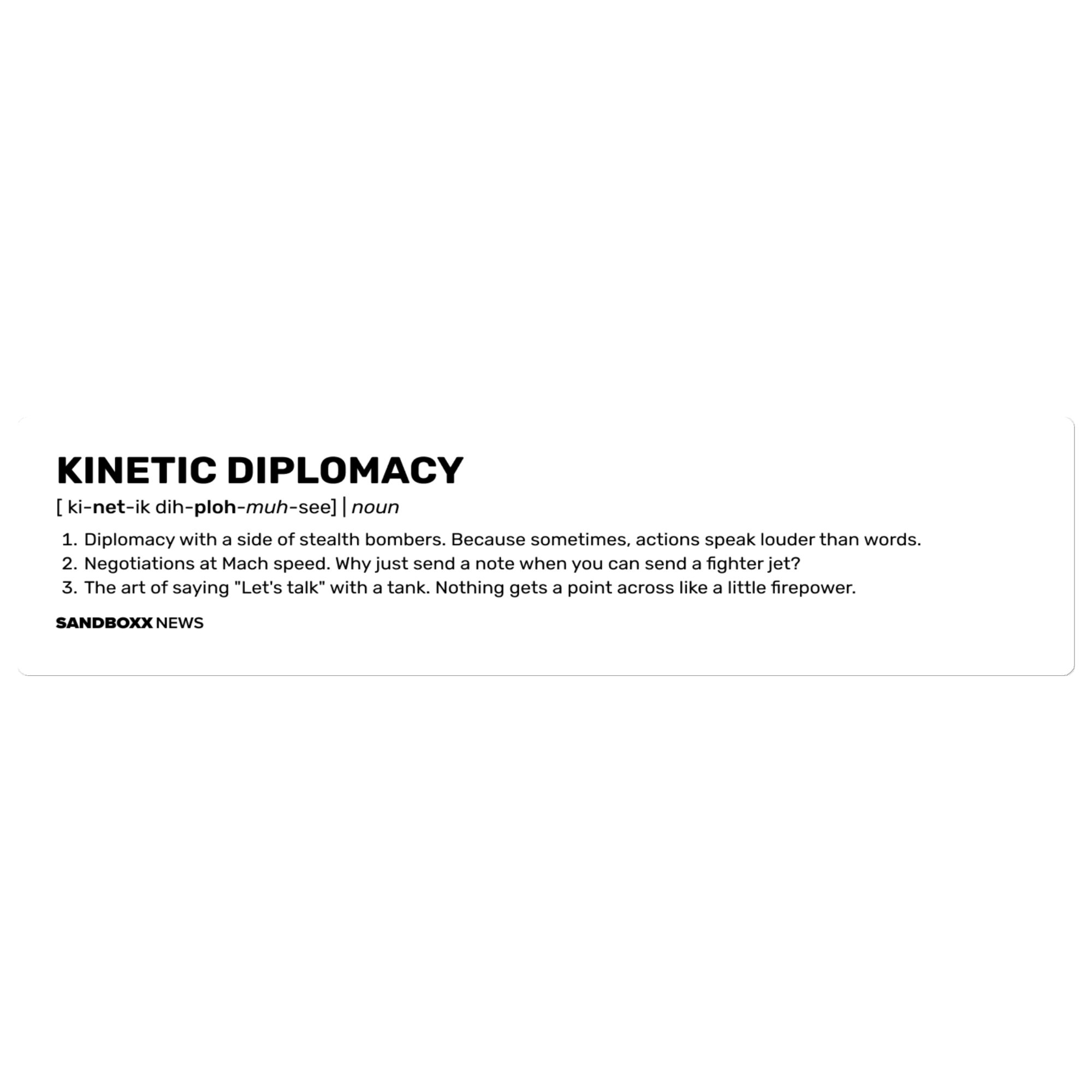
The current intensification of Israeli aerial operations in Lebanon reflects a doctrine of "Kinetic Diplomacy," where military pressure is not a substitute for negotiation but the primary engine driving its terms. By synchronizing high-intensity strikes with the arrival of diplomatic envoys, Israel aims to collapse the adversary’s decision-making window and force a decoupling of the Lebanese front from the ongoing conflict in Gaza. This strategy hinges on three operational pillars: the systematic degradation of tactical infrastructure, the enforcement of a buffer zone through fire power, and the psychological exhaustion of the Lebanese political apparatus.
The Mechanics of Pressure: Coercion through Targeted Degradation
The logic of the current air campaign differs from previous iterations in its density and target selection. It follows a specific hierarchy of objectives designed to maximize leverage at the bargaining table.
1. The Tactical Infrastructure Reset
The immediate objective is the physical removal of anti-tank missile positions and short-range rocket launchers located within a 10-kilometer radius of the Blue Line. This is a functional requirement for the return of displaced Israeli civilians. The strikes prioritize "active" geography—areas where topographical advantages allow for direct fire into Israeli border communities. By neutralizing these assets, the IDF creates a de facto sterile zone before a formal agreement is even signed.
2. Command and Control Asymmetry
Israel is executing a decapitation strategy that targets mid-to-high level field commanders. The intent is to disrupt the "sensor-to-shooter" loop. When command structures are fragmented, the ability of an irregular force to coordinate large-scale retaliatory barrages diminishes. This creates a lull that diplomatic mediators use to argue that the resistance is failing, thereby pressuring Lebanese state actors to accept terms that include a withdrawal north of the Litani River.
3. Logistical Interdiction and the "Siege by Air"
Strikes on border crossings between Syria and Lebanon serve as a strategic bottleneck. By restricting the flow of advanced munitions, Israel increases the "burn rate" of existing stockpiles within Lebanon. The goal is to force the adversary into a conservation mindset, where they must choose between using their remaining precision-guided munitions (PGMs) now or saving them for a potential full-scale ground invasion. This scarcity directly impacts the adversary's confidence in sustained conflict.
The Litani Mandate: Redefining UN Resolution 1701
The central friction point in looming talks is the enforcement mechanism of UN Resolution 1701. Historically, the resolution failed because it lacked a "kinetic enforcement" clause. Current Israeli strategy seeks to redefine this resolution through a new operational framework:
- The Enforcement Gap: Under the previous status quo, the Lebanese Armed Forces (LAF) and UNIFIL were responsible for keeping the south free of unauthorized weapons. Israel now views this reliance as a structural failure.
- Freedom of Action: The non-negotiable demand in Israel’s current strategic posture is the "right to enforce." This means that should a violation occur—such as the construction of a launch site—the IDF reserves the right to strike without prior coordination with international bodies.
- Buffer Depth: While 1701 specifies the Litani River as the boundary, the strategic objective has shifted from a mere line on a map to a "denial of presence." If the adversary cannot physically inhabit the space due to constant surveillance and strike capability, the geographic boundary becomes secondary to the operational reality.
The Economic and Political Cost Function
The intensification of strikes creates a compounding cost function for the Lebanese state. Lebanon’s economy is currently characterized by hyper-fragmentation and a lack of centralized fiscal reserves. Every strike on dual-use infrastructure or areas adjacent to commercial hubs increases the cost of reconstruction to a level that the Lebanese state cannot fund.
This creates a "Civilian Exhaustion Loop." As internal displacement increases—now affecting over a million people—the pressure on the Lebanese government to secure a ceasefire outweighs their ideological alignment with regional proxies. Israel is betting that the threat of state collapse in Lebanon will force the hand of the Lebanese parliament to bypass the demands of non-state actors and agree to a unilateral decoupling from the Gaza conflict.
Risk Assessment: The Threshold of Miscalculation
While the kinetic diplomacy model is designed to force a diplomatic outcome, it operates on a razor-thin margin of error. Several variables could trigger a pivot from controlled escalation to a regional conflagration.
The Saturation Point of Air Power
Air power has a diminishing marginal utility. Once the primary tactical targets are destroyed, the remaining targets are often deeply embedded in civilian populations or deep underground. Striking these carries higher political costs and risks civilian casualties that could shift international opinion rapidly, forcing a premature ceasefire before the strategic objectives are met.
The Misreading of Red Lines
The adversary’s "threshold of pain" is not a fixed metric. If the strikes are perceived as an existential threat to the organization’s survival rather than a tactical degradation, they may be forced into an "all-out" response, utilizing long-range PGMs against Israeli population centers. This would necessitate a massive Israeli ground maneuver, which is a high-cost, high-risk endeavor that the current aerial strategy is specifically designed to avoid.
The Proxy Independence Variable
There is an inherent assumption that the adversary in Lebanon is acting as a rational state-like actor. However, if their primary mandate is regional and ideological, the local economic and political costs mentioned above may not be sufficient to force a retreat. In this scenario, the kinetic diplomacy model fails because the target is immune to traditional cost-benefit pressures.
Strategic Forecast: The Pivot to a New Status Quo
The arrival of international mediators signals the transition from the "Destruction Phase" to the "Negotiation Phase." Israel is unlikely to halt strikes during the talks. In fact, historical patterns suggest an increase in strike frequency and depth in the 48 hours preceding any potential signing. This is designed to ensure that the final memory of the conflict is one of overwhelming force, establishing a psychological deterrent that lasts beyond the ceasefire date.
The most probable outcome is not a comprehensive peace treaty, but a "Security Arrangement." This will likely involve:
- An expanded role for the LAF, funded by international donors, to act as a more robust buffer.
- A revised 1701 framework that grants Israel tacit "defensive rights" in the event of clear violations.
- A regional agreement on border demarcation that provides Lebanon with potential economic gains (e.g., gas fields) in exchange for security guarantees.
For Israel, success is measured solely by the safe return of northern residents. For Lebanon, success is the cessation of strikes and the preservation of what remains of its state infrastructure. The overlap of these two goals is the narrow corridor where diplomacy will either succeed or collapse into a multi-month ground war of attrition. The current military posture is the tool being used to widen that corridor.