The air in Islamabad has a particular weight in the spring. It is thick with the scent of jasmine and the low hum of a city that knows more secrets than it tells. In a discreet corner of this sprawling capital, rooms were prepared, secure lines were swept for bugs, and the world’s most dangerous cold war almost ended.
Diplomacy is often described as a game of chess, but that is far too clinical. It is more like a high-stakes surgery performed in a blackout. One slip of the scalpel, and the patient dies. In this case, the patient was a decade of global stability.
For months, the rumors had been circulating in the back channels of Muscat and Doha. Something was happening. The United States and Iran, two nations that have spent forty years communicating primarily through threats and proxy battles, were finally in the same zip code with a pen in their hands. They were, according to those in the room, "inches away" from a breakthrough.
Then, the ink dried in the bottle.
The Man in the Midst of the Silence
To understand why a deal that was nearly finished suddenly evaporated, you have to look past the podiums and the press releases. Picture a mid-level diplomat. Let's call him Arash. He has spent three years living out of a suitcase, eating stale hotel nuts, and staring at the same three draft paragraphs that define the enrichment levels of uranium.
Arash isn't a hardliner. He’s a father who wants his kids to be able to buy imported textbooks without a black-market markup. He represents the millions of Iranians who have watched their currency turn into confetti while the world argues over centrifuges. On the other side of the table sits a woman from the State Department who hasn't slept in thirty-six hours. She knows that if she concedes too much, she’ll be eviscerated on the evening news back home. If she concedes too little, another generation of sailors will spend their nights staring at radar screens in the Persian Gulf, waiting for a flare that signals the start of a war.
In Islamabad, these two humans—and the massive bureaucratic machines behind them—hit a wall that wasn't made of logic. It was made of ghosts.
The Specter of 2018
The fundamental problem with the Islamabad talks wasn't technical. We know how to monitor nuclear sites. We know how to lift sanctions. The math is solved. The problem is the haunting memory of the 2018 withdrawal from the JCPOA.
When the United States walked away from the original nuclear deal, it didn't just kill a policy. It killed the concept of a "guarantee." In the bazaar, if a merchant breaks his word once, he might be forgiven. If he breaks it after you’ve already handed over the gold, you never trade with him again.
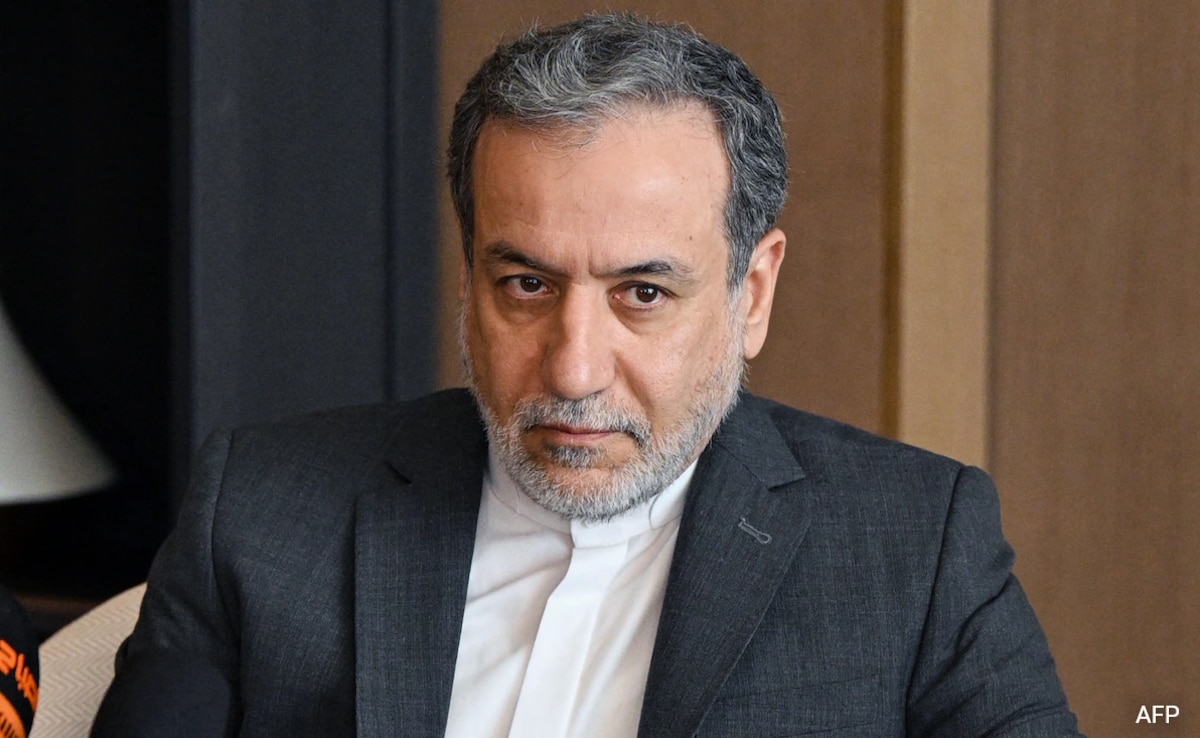
Tehran’s perspective, articulated recently with a rare transparency, is rooted in this trauma. They didn't just want a deal; they wanted a cage. They wanted a legal structure that would prevent the next American administration from tearing up the paper on day one. But how do you bind a sovereign superpower? You can't.
This is the "two-inch" gap. The U.S. offered a return to status quo. Iran demanded a fortress of certainty. Between those two positions lies a chasm that all the jasmine in Pakistan couldn't mask.
The Invisible Stakes of a Failed Handshake
What does "inches away" look like for the rest of us?
It looks like the price of a gallon of gas in a suburb of Ohio. It looks like the shipping lanes in the Red Sea, where drones now buzz like angry wasps over billion-dollar cargo ships. When the Islamabad talks stalled, the pressure didn't just stay in that room. It leaked out into the soil of the Middle East.
Consider the ripple effect. Without a deal, the "Shadow War" accelerates. This isn't a metaphor. It is the reality of cyberattacks that shut down gas stations in Tehran and assassinations that occur on quiet streets. It is the reality of the "Axis of Resistance" deepening its ties because, in their view, the West proved it cannot be trusted.
The tragedy of the Islamabad failure is that both sides knew the alternative. They knew that "no deal" meant a slow slide toward a direct kinetic conflict. Yet, the political cost of the "inches" was higher than the human cost of the war.
The Tehran Narrative
The Iranian side of the story is often filtered through layers of propaganda, but if you strip away the rhetoric, the core is a demand for "verification."
They argued that the U.S. was offering "paper relief"—the legal right to trade—without "practical relief"—the actual ability to move money through global banks. Large European banks are terrified of the U.S. Treasury Department. Even if a deal says it’s legal to sell Iranian oil, a bank in Paris or Frankfurt will look at the history of 2018 and decide the risk isn't worth it.
Tehran’s officials have been blunt: why should we dismantle our leverage (the centrifuges) for a promise that the bank manager in New York will probably ignore anyway?
It is a logical circle that leads back to nowhere.
The Silence of the Room
There is a specific kind of silence that follows a failed negotiation. It isn't peaceful. It’s heavy. It’s the sound of bags being zipped shut and private jets idling on the tarmac.
In Islamabad, that silence marked the end of the most realistic chance for peace in a decade. The diplomats walked out, the lights were turned off, and the world went back to the familiar, comfortable rhythm of escalation.
We often think of history as a series of grand events, but it’s actually a collection of small, failed moments. It’s the phone call that wasn't made. It’s the sentence that was deleted from a draft at 4:00 AM because a politician got cold feet.
The talks in Islamabad didn't fail because the participants didn't understand the facts. They failed because they understood them too well. They understood that in the modern world, a signature is only as strong as the person who holds the pen—and right now, no one is willing to hold the pen long enough for the ink to dry.
As the sun sets over the Margalla Hills, the ghost of the Islamabad deal lingers. It is a reminder that we are often closest to the light just before we decide to walk back into the dark. The "inches" remain. They are the most expensive inches in human history.
Somewhere in Tehran, a merchant watches the exchange rate on a flickering screen. Somewhere in Washington, a staffer prepares a briefing on "deterrence." They are both looking at the same map, but they are no longer speaking the same language. The jasmine has faded, and the heavy air of the capital is once again filled with the sound of drums.