In the sterile, high-altitude corridors of Zurich, the definition of "peace" has undergone a radical, market-driven transformation. FIFA President Gianni Infantino, once the proponent of a global, neutral "Football Unites the World" doctrine, has pivoted. The shift isn't just a change in rhetoric; it is a hard-coded realignment of football’s diplomatic weight toward specific Western political interests, effectively ending the era of even-handed sports diplomacy.
This month, the facade of neutrality cracked. While the world's eyes are on the upcoming 2026 World Cup, Infantino has increasingly tied the fate of the "beautiful game" to the political maneuvers of the White House and a highly controversial "Board of Peace" (BoP). This isn't just about football anymore. It is about the commodification of conflict resolution, where stadium construction in Gaza is used as a bargaining chip for political leverage, and historical rivals are told to play on American soil or face the consequences. Don't miss our recent post on this related article.
The Washington Pivot and the Death of Neutrality
For decades, FIFA’s Statutes—specifically Articles 15 and 23—demanded absolute neutrality in matters of politics and religion. These were the guardrails that allowed a Swiss-based NGO to govern a sport played by every nation on earth, regardless of their government's ideology. Under Infantino, those guardrails have been dismantled.
The most glaring evidence of this course change was the December 2025 inauguration of the FIFA Peace Prize. While the name suggests a humanitarian endeavor, the recipient tells a different story. By awarding the inaugural prize to Donald Trump at a glitzy ceremony in the Kennedy Center, Infantino didn't just honor a leader; he picked a side. To read more about the history here, CBS Sports offers an informative summary.
This wasn't a sudden whim. Investigative trails show a year of secretive lobbying and letters exchanged between the White House and FIFA’s Zurich headquarters. The promise? A "smooth" World Cup with waived visa restrictions for teams and fans, in exchange for FIFA’s vocal endorsement of the administration's Middle East "peace" framework. This is the definition of a quid pro quo that treats the World Cup as a state-sponsored convention rather than a global sporting tournament.
The Gaza Stadium Gambit
The "why" behind this pivot is rooted in infrastructure and investment. On February 19, 2026, Infantino appeared at the Trump Peace HQ to announce a "strategic partnership" with the Board of Peace to rebuild football in Gaza. On paper, the plan is ambitious:
- 50 FIFA Arena mini-pitches near schools and residential zones.
- Five full-size pitches across various districts.
- A 20,000-seat national stadium designed to be a "long-term anchor" for the community.
But look closer at the board members. The Board of Peace includes Israeli business interests and U.S. officials but conspicuously lacks representative voices from the Palestinian Football Association (PFA) in its core decision-making tier. By bypassing the traditional channels of the PFA—a FIFA member association—Infantino is effectively subcontracting the governance of Palestinian football to a foreign political entity.
This move allows FIFA to claim it is "investing in happiness," as Infantino told the Future Investment Initiative in Riyadh, while simultaneously ignoring the legal analysis mandated by its own Council. That analysis was supposed to address the participation of Israeli teams based in West Bank settlements. Instead of a ruling, FIFA offered a "recovery fund." It is a classic move from the Infantino playbook: replace a difficult legal and moral decision with a high-profile construction project.
The Iran Boycott and the 2026 Logistics War
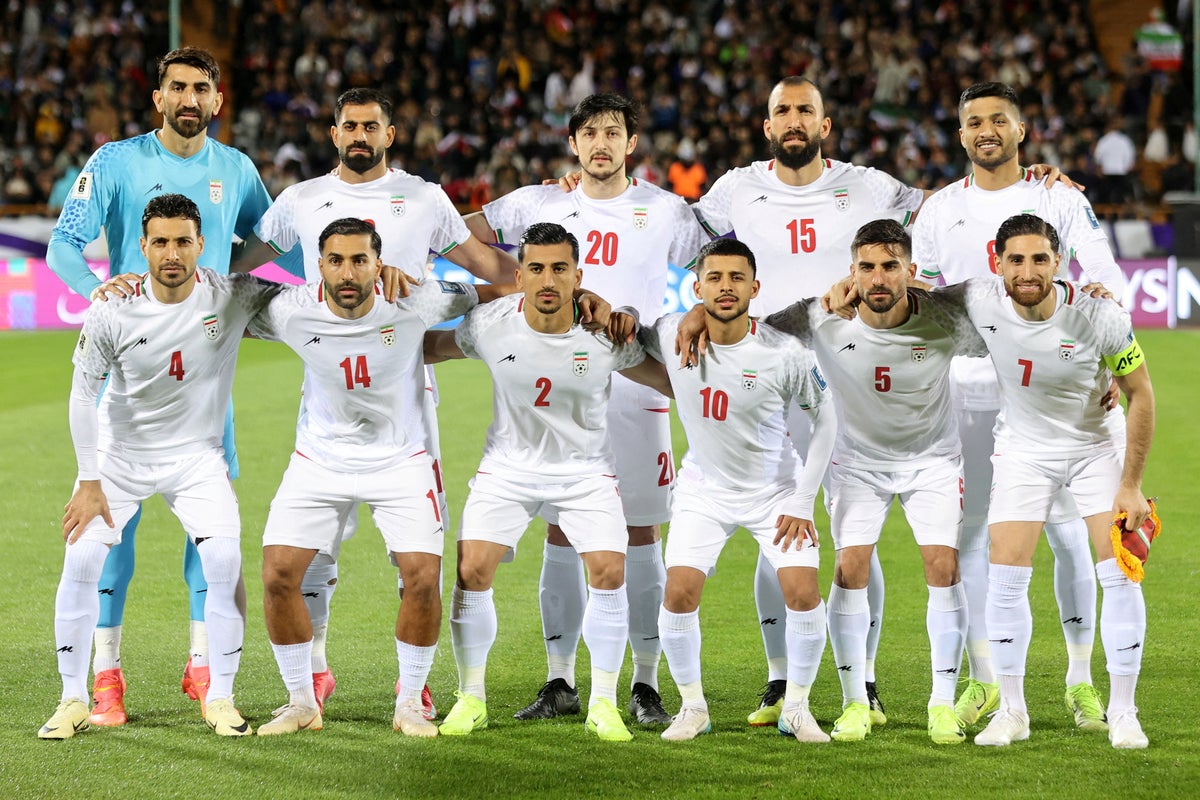
The fallout from this selective diplomacy is already manifesting as a logistical nightmare for the 2026 World Cup. Iran, a qualifying nation, has officially refused to play its matches on U.S. soil. Mehdi Taj, president of the Iranian Football Federation, has been blunt: they aren't boycotting the World Cup, they are boycotting the United States.
In previous eras, FIFA might have sought a compromise—moving matches to Canada or Mexico to preserve the "unity" the organization claims to champion. Not this time. Infantino has drawn a hard line, insisting that the schedule is "fixed" and all teams must compete in the spirit of respect.
"FIFA cannot resolve geopolitical conflicts," Infantino claimed during a March 20, 2026, Council meeting. It is a convenient shield. By claiming powerlessness to move a match for a "pariah" state while simultaneously wearing a "45-47" hat on a Washington stage, Infantino has redefined neutrality. In the new FIFA, neutrality means staying silent on the actions of your biggest financial and political partners while demanding absolute compliance from everyone else.
The Cost of the "New Dawn"
The "how" of this transformation relies on a massive influx of American capital. The 2026 World Cup is projected to inject nearly $50 billion into the U.S. economy and create 300,000 jobs. For Infantino, who has promised record-breaking returns of $13 billion for the 2023-2026 cycle, the American market is too big to fail.
To secure this windfall, the FIFA President has been willing to overlook what Human Rights Watch describes as a "sportswashing campaign." While FIFA promotes "Football Unites the World," reports have surfaced of asylum seekers being detained and deported after attending Club World Cup matches in Los Angeles. FIFA’s response has been a deafening silence. The anti-discrimination campaigns that were once the cornerstone of FIFA’s social responsibility have been quietly scaled back or "recalibrated" to avoid friction with host-nation domestic policies.
A Legacy of Selective Virtue
Infantino’s recent actions suggest he views himself more as a head of state than a sports administrator. His "Summit for Peace" appearance in Egypt and his constant presence at the side of U.S. leadership point to an ego that outgrew the pitch years ago.
The danger is that once the "moral sovereignty" of the game is traded for political clout, it cannot be easily reclaimed. FIFA was swift to ban Russia following the invasion of Ukraine, citing the "unifying power of sport" as a reason to exclude those who violate peace. By failing to apply similar standards or even allow for neutral venues in the current Middle Eastern escalation, Infantino has turned FIFA’s disciplinary code into a weapon of political convenience.
The 2026 World Cup was supposed to be a celebration of North American unity. Instead, it is shaping up to be a test of whether the world’s most popular sport can survive its own leadership's cynicism. Football doesn't need a fabricated peace prize; it needs a governing body that understands peace isn't something you buy with a stadium or a photo op.
Would you like me to investigate the specific financial ties between the "Board of Peace" investors and the 2026 World Cup host city contracts?