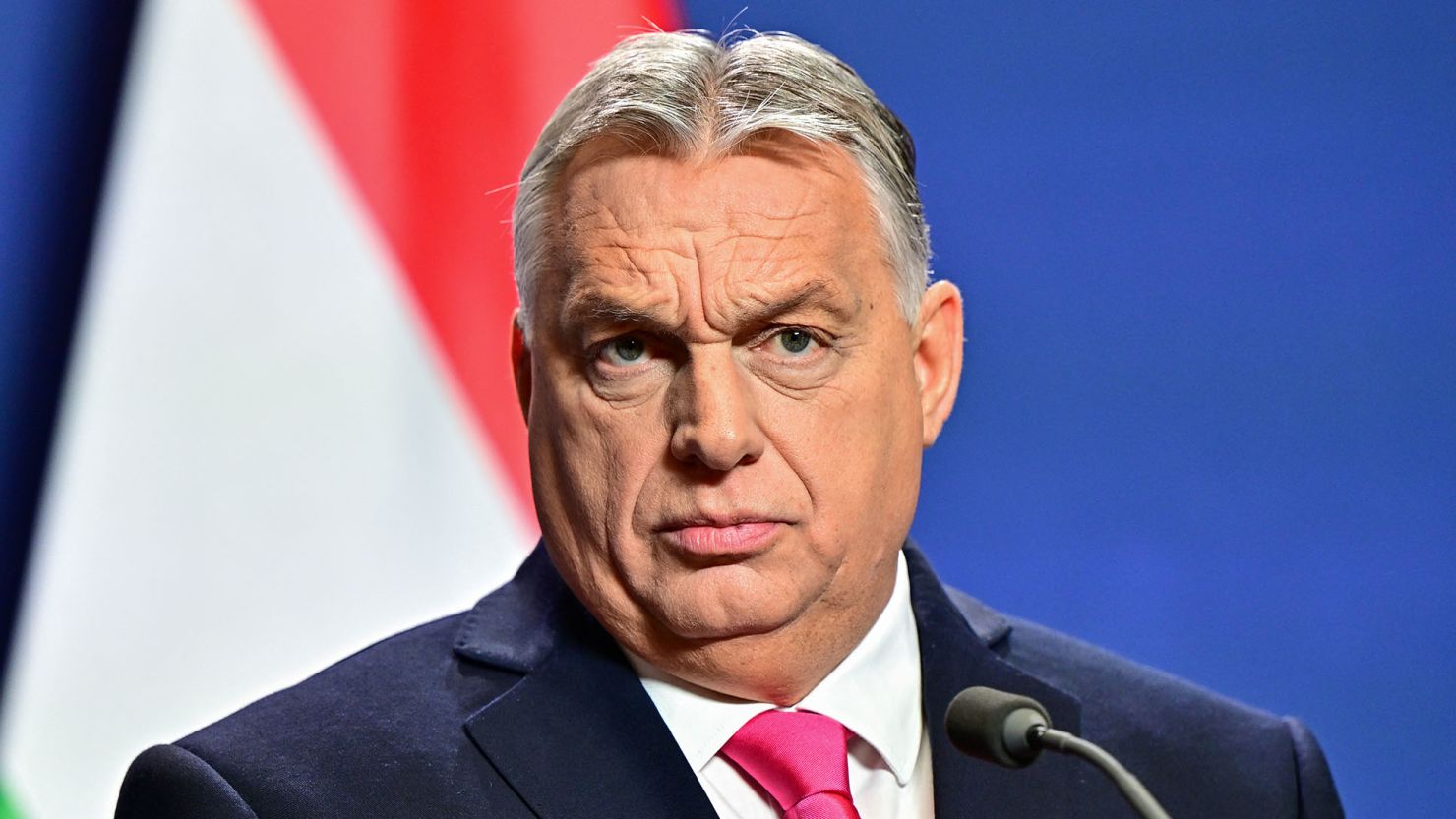
The sixteen-year reign of Viktor Orbán did not end with a whimper, but with a landslide that turned the architect’s own tools against him. On April 12, 2026, Hungarian voters handed Péter Magyar’s Tisza Party a crushing two-thirds supermajority—138 seats in the 199-member National Assembly—effectively dismantling the "illiberal state" in a single Sunday. Magyar, a former Fidesz insider who once lived within the very circles of power he now pledges to purge, has achieved the impossible by winning over 50% of the popular vote and capturing 136 seats. This result does more than just change the face of the prime minister’s office; it grants Magyar the same absolute power to rewrite the constitution that Orbán used to hollow out Hungarian democracy since 2010.
Secondary questions are already swirling across European capitals. How does a man who was part of the system until 2024 suddenly command the trust of a nation? The answer lies in the specific flavor of his campaign: he didn’t just offer "democracy," he offered an escape from the mafia state and the rising cost of bread. For the average voter in rural Hungary, the high-level disputes over judicial independence mattered less than the stagnating living standards and the "bring your own toilet paper" reality of the national healthcare system. In other updates, we also covered: The Geopolitics of Chokepoint Monetization: Strategic Logic of the Hormuz Toll Proposal.
The Inside Man Turning the Keys
Magyar is not a typical liberal savior, and that is precisely why he won. He retains a conservative, nationalist core that made him palatable to Fidesz defectors who were tired of the corruption but not necessarily looking for a total western-style social revolution. He speaks the language of sovereignty while simultaneously promising to end the freeze on €20 billion in EU funds. This is the fundamental tension of his new government. He must satisfy a Brussels that expects a return to the rule of law while keeping a domestic base that still leans right on issues like migration.
The "why" behind this sudden collapse of the Fidesz machine is found in the economic exhaustion of the last two years. While Orbán spent a decade building a network of loyal oligarchs, the actual economy hit a wall. High inflation and the cut-off of European subsidies made the "bread and circuses" model of Fidesz governance unsustainable. Magyar capitalized on this by highlighting the "extravagant mansions" of the elite, contrasting them with the crumbling public infrastructure. The New York Times has analyzed this important issue in extensive detail.
Dismantling the Deep State
Winning the election was the easy part. The "how" of governing will be significantly more violent, metaphorically speaking. Orbán did not just pass laws; he embedded loyalists into every corner of the state, from the media regulatory bodies to the high courts. Magyar’s supermajority gives him the legal scalpel to cut these interests out, but doing so risks accusations that he is simply replacing one partisan capture with another.
Immediate Policy Targets
- Anti-Corruption Safeguards: Joining the European Public Prosecutor’s Office (EPPO) is the first order of business to signal to Brussels that the era of skimming EU funds is over.
- Media Pluralism: Dismantling the KESMA media conglomerate that kept 80% of Hungarian media under government-aligned control.
- Judicial Independence: Restoring the powers of the National Judicial Council to check political interference in court rulings.
The geopolitical shift is equally seismic. Hungary has gone from being Russia’s "Trojan horse" in the EU to a nation pledging to repair ties with its neighbors. Magyar has signaled a more pragmatic, though still cautious, approach to Ukraine. He is moving away from the pro-Moscow rhetoric of his predecessor, but he knows that Hungary's energy dependence on Russia cannot be solved by a victory speech alone.
The Supermajority Trap
There is a danger in the scale of this victory. A two-thirds majority in the Hungarian system is a "god mode" for legislation. The temptation to use this power to settle old scores or to bypass the very checks and balances Magyar promised to restore will be immense. History shows that in Central Europe, the transition from an autocrat to a reformer often results in a "replacement" of the elite rather than a "reform" of the system.
Magyar’s first 100 days will be a test of whether he is a true democrat or merely a more efficient, pro-European version of what came before. He faces a country with a hollowed-out treasury and a public sector in shambles. The euphoria of the April 13 morning will fade quickly as the reality of a bankrupt healthcare system and a fractured society takes hold.
Viktor Orbán has conceded, and the "icon of the global far right" is out of office. But the system he built—a complex web of legal, financial, and social dependencies—will take years, not months, to untangle. Magyar has the mandate. Now he has to prove he has the restraint.