Stop buying the pastel-colored lie.
Every spring, the lifestyle industry pivots to a specific, high-stress brand of gaslighting. They call it "hosting essentials." They tell you that a successful Easter requires a tablescape of hand-painted ceramic rabbits, linen napkins in "duck-egg blue," and a slow-roasted lamb shoulder that takes six hours and two nervous breakdowns to perfect.
It is a scam.
The "perfect celebration" is a metric invented by retailers to move seasonal inventory that will sit in your attic for 364 days a year. I have spent fifteen years in the high-end hospitality and event planning world. I’ve seen hosts spend $5,000 on floral arrangements only to have their guests spend the entire afternoon huddled in the kitchen drinking cheap beer because the dining room felt too much like a museum.
If you want a memorable holiday, you need to stop "hosting" and start facilitating.
The Myth of the "Centerpiece" Requirement
The most pervasive lie in the Easter playbook is the necessity of the elaborate centerpiece. The logic is that a beautiful table creates a beautiful mood.
It doesn't.
An oversized floral arrangement or a mountain of decorative eggs acts as a physical barrier to conversation. If your guests have to crane their necks to see the person sitting across from them, you haven't created an "experience"—you’ve built a wall.
The Counter-Intuitive Fix: Remove the centerpiece entirely. Replace it with three bottles of high-quality wine or carafes of water. If you insist on greenery, keep it below chin level. The "essential" isn't the decor; it’s the sightline.
The Lamb Fallacy and the Tyranny of Tradition
Competitor guides will tell you that the menu must be a "nod to tradition." Usually, this means lamb or a glazed ham.
Here is the reality: lamb is polarizing and difficult to cook for a crowd. If you miss the internal temperature by five degrees, you are serving expensive leather. Ham is often a salt bomb that leaves your guests dehydrated and lethargic by 3:00 PM.
Traditional menus are a logistical nightmare for the host. You spend the entire day tethered to the oven, checking probes and basting meat, while your friends are actually having a good time in the other room.
Why you're asking the wrong question: You shouldn't be asking "What is the traditional Easter meal?" You should be asking "What can I cook two days in advance that tastes better when reheated?"
- Braised Short Ribs: They are richer than lamb, harder to overcook, and actually improve after 24 hours in the fridge.
- Cold Poached Salmon: If the weather is warm, hot food is a mistake. A side of salmon prepared the night before removes 100% of the day-of stress.
Stop Coddling the Children (The Egg Hunt Critique)
The modern Easter egg hunt has become a sterilized, participation-trophy mess. Most guides suggest "easy-to-find" spots so the children don't get frustrated.
This is boring.
If there is no risk of not finding an egg, there is no reward in finding one. You are teaching the next generation that rewards are a right, not a result of effort.
The Pro Strategy: Make it difficult. I once hid an egg inside a hollowed-out book on a high shelf. I’ve taped them to the underside of patio chairs. If the hunt lasts less than forty-five minutes, you’ve failed as a host. Create a "Golden Egg" that contains a significant prize—not just a cheap chocolate—and watch the competitive energy transform the afternoon from a chore into a game.
The "Essential" List That Is Actually Garbage
Let’s dismantle the shopping list the "Curators" want you to buy:
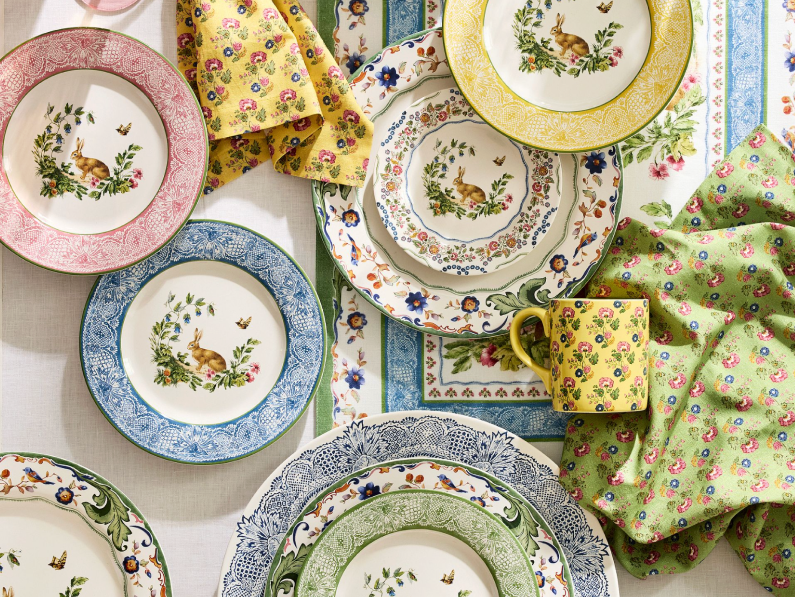
- Seasonal Dinnerware: Buying plates with rabbits on them is a financial error. Use white porcelain. It makes the food look better and works for every holiday from Hanukkah to the Fourth of July.
- Specialty Egg Dyes: Most kits are toxic-smelling vinegar messes. Use red onion skins, turmeric, or beets. It’s cheaper, the colors are sophisticated earth tones rather than neon nightmares, and it doubles as a science experiment for the kids.
- The "Signature Cocktail": Stop trying to make "Carrot Mimosas" happen. They are earthy in a way that feels like drinking dirt. Stick to a high-quality dry Prosecco or a classic Gin and Tonic. Complexity is the enemy of the host.
The Hospitality Paradox: Less is More
The more you do, the less your guests feel at home.
When a host is sprinting around, sweating over a soufflé and apologizing for the "mess" in a spotless kitchen, it creates a debt of guilt for the guests. They feel like they are a burden.
True hospitality is the art of being invisible.
I learned this working at a five-star resort in the Swiss Alps: the best service is the kind you don't notice. If the drinks are already poured and the food is served family-style, the host can actually sit down.
The Golden Rule of Hosting: If you aren't sitting down for at least 70% of the event, you aren't a host; you're unpaid labor.
The Logistics of the "Perfect" Afternoon
The competitor articles love to talk about "flow." They never define it.
Flow is simply the removal of friction.
- The Coat Trap: Don't take people's coats and hide them in a bedroom. It creates a bottleneck when people want to leave. Designate a visible, accessible rack.
- The Ice Crisis: You will run out of ice. Every amateur host does. Buy three times more than you think you need. Store it in a cooler in the garage, not the freezer (which is already full of food).
- The Soundtrack: No "Easter Brunch" playlists. They are filled with upbeat acoustic covers of pop songs that make people want to leave. Play low-tempo jazz or ambient electronic music. It fills the gaps in conversation without demanding attention.
A Note on "Family Dynamics"
Every guide ignores the elephant in the room: holidays are stressful because of people, not because of the ham.
The "perfect celebration" assumes a functional, polite family. If your family is prone to arguments, the worst thing you can do is have a long, formal sit-down dinner.
The Tactical Pivot: Move the meal outside if possible. Physical space reduces psychological tension. Or, change the format to a "rolling buffet." If people aren't trapped in a seating chart next to an uncle they disagree with, the likelihood of a blowout drops by 60%.
The Math of Alcohol
$A = (G \times H) \times 1.5$
Where A is the number of drinks, G is the number of guests, and H is the number of hours.
Most people under-buy wine and over-buy soda. In a holiday setting, people drink more than they do at a standard dinner party. If you run out of booze, the party is over.
Throw away the "essentials" list.
Stop trying to curate an Instagram post.
Burn the duck-egg blue napkins.
Your goal is to provide a space where people feel comfortable enough to stay three hours longer than they planned. You don't achieve that with decor. You achieve that by being a host who actually likes their guests more than their aesthetic.
Order the pizza if the roast burns. Nobody will remember the food in three years, but they will remember if you were a stressed-out wreck or the person who actually led the toast.
Build a party, not a set piece.
Would you like me to design a 48-hour "Zero-Stress" Easter timeline that moves all the labor to Friday so you can actually drink a mimosa on Sunday?