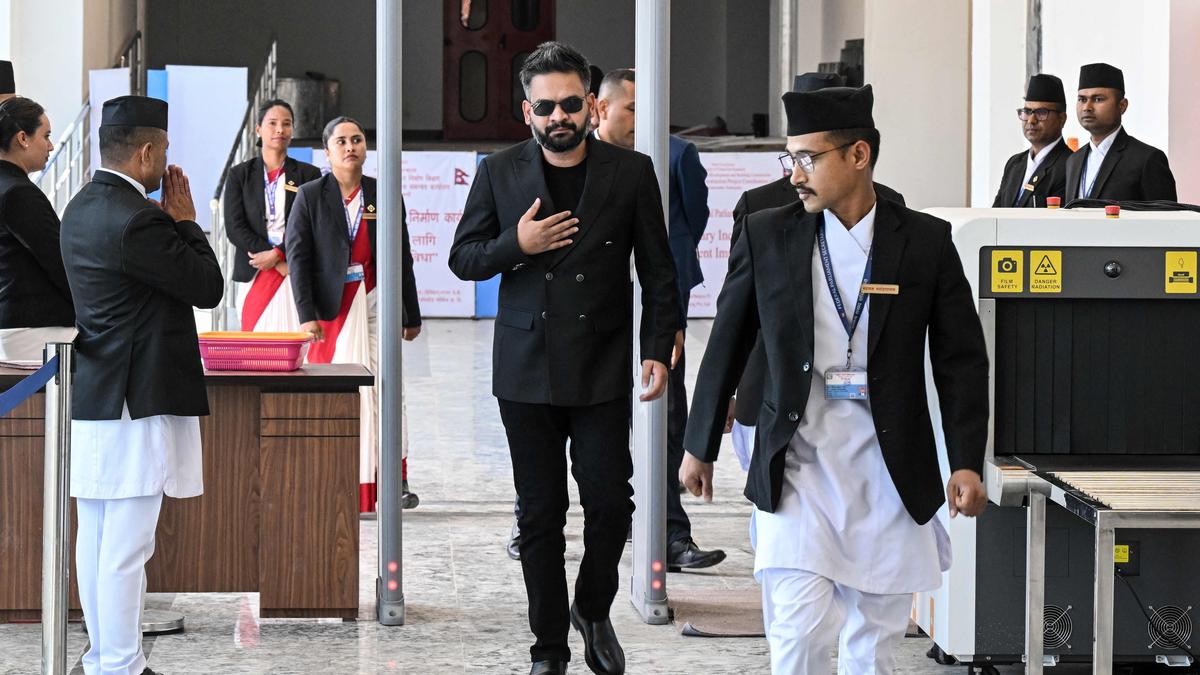
You can feel the tension in Kathmandu. It's thick, it's messy, and it’s a far cry from the celebratory music that filled the streets just a few weeks ago. When Balendra "Balen" Shah took the oath as Nepal’s youngest Prime Minister on March 27, 2026, it felt like a fever dream for the youth who’d spent years shouting at a brick wall of geriatric politics. A rapper-turned-engineer-turned-PM? It’s the kind of underdog story that sells itself.
But the reality of governing a country isn't a music video. Within days of taking office, Balen didn't just walk into Singha Durbar; he kicked the doors down. He arrested former PM KP Sharma Oli. He recalled ambassadors from half a dozen countries. He launched an aggressive 100-point reform agenda that reads like a wish list for a functional nation. On paper, it’s exactly what people voted for. In practice, the "process" is starting to look like a bulldozer with no brakes. Critics are screaming about due process, and honestly, they have a point.
The Oli arrest and the cost of speed
The arrest of KP Sharma Oli is the flashpoint. It happened the day after Balen’s swearing-in, following a commission report on the deadly 2025 Gen Z protests. Nobody is arguing that accountability isn't needed—at least 76 people died under Oli's watch. But the speed of the arrest felt less like justice and more like a flex.
Supporters of the CPN-UML have flooded the capital, claiming the arrest bypassed standard legal protections. When you skip steps to get to a "good" result, you're setting a precedent that the next guy can use for a "bad" result. Balen’s brand is built on being an outsider who ignores the old guard’s rules, but those rules are often there to prevent a slide into authoritarianism. You can't just ignore the judiciary because they're slow.
The move has created a massive rift. While the Rastriya Swatantra Party (RSP) holds a majority in the lower house, they don't have a single seat in the upper house. To pass any real legislation or constitutional reforms, Balen needs to play ball with the very people whose leader he just threw in a cell. It’s a bold gamble that might lead to a total legislative stalemate.
Diplomatic whiplash and the ambassador recall
It’s not just domestic politics where the "move fast and break things" mentality is causing friction. Recalling ambassadors from India, Australia, and four other nations all at once is a logistical nightmare.
Yes, these were political appointees. Yes, the goal is to move toward a merit-based foreign service. But doing it in one fell swoop leaves Nepal’s embassies headless during a critical transition. India, in particular, is watching closely. Prime Minister Narendra Modi sent his congratulations, but New Delhi is wary of Balen’s past nationalist rhetoric, like the "Greater Nepal" map he hung in his mayoral office.
By pulling the diplomatic rug out so quickly, Balen risks isolating Nepal at a time when he needs foreign investment to tackle the 21% youth unemployment rate. If you want to professionalize the service, you do it in phases. You don't leave your most important diplomatic posts empty as a statement of intent.
The cult of personality vs the collective party
One of the biggest concerns lurking in the corridors of power is whether the RSP is a political party or just a fan club for Balen. Inside the party, there are whispers that the PM prioritizes his individual image over collective decision-making.
His 15-member cabinet is the youngest in history, which is refreshing. But for 13 of them, it’s their first time holding any ministerial role. They're up against a bureaucracy that has been entrenched for decades. If Balen doesn't start trusting his team and following established administrative processes, the government will likely cannibalize itself. We’ve seen this before in revolutionary movements—the person who starts the fire isn't always the best person to build the house.
What happens when the 100-point plan hits the wall
Balen’s 100-point reform agenda is ambitious. It covers everything from digitizing government records to a total overhaul of the healthcare system. It's the kind of plan that makes for great social media posts.
But governing isn't a solo sport. To fund these projects, he needs a stable economy. Right now, nearly 2,300 Nepalis leave the country every single day for work. That’s a brain drain that won't stop because of a viral TikTok or a fiery speech. It stops with structural change, and structural change requires a consensus that Balen currently seems unintered in building.
Immediate challenges you should watch
- The Upper House Blockade: Watch how the RSP attempts to bypass or negotiate with the upper house. Without them, the 100-point plan is just a PDF.
- The Judiciary’s Reaction: If the courts rule the Oli arrest was illegal, Balen’s credibility takes a massive hit. It will look like a rookie mistake.
- Foreign Policy Vacuum: Keep an eye on the new ambassadorial appointments. If they aren't significantly more qualified than the ones he fired, the "merit-based" argument dies.
Balen Shah has the mandate. He has the energy. He has the youth. What he doesn't have is the patience for the messy, slow, often frustrating "process" of a democracy. If he continues to steamroll the system, the very system that brought him to power might be the one that ends his tenure. You can't run a country like a rap battle where the loudest voice wins by default. You need the paperwork, the lawyers, and unfortunately, even your enemies.