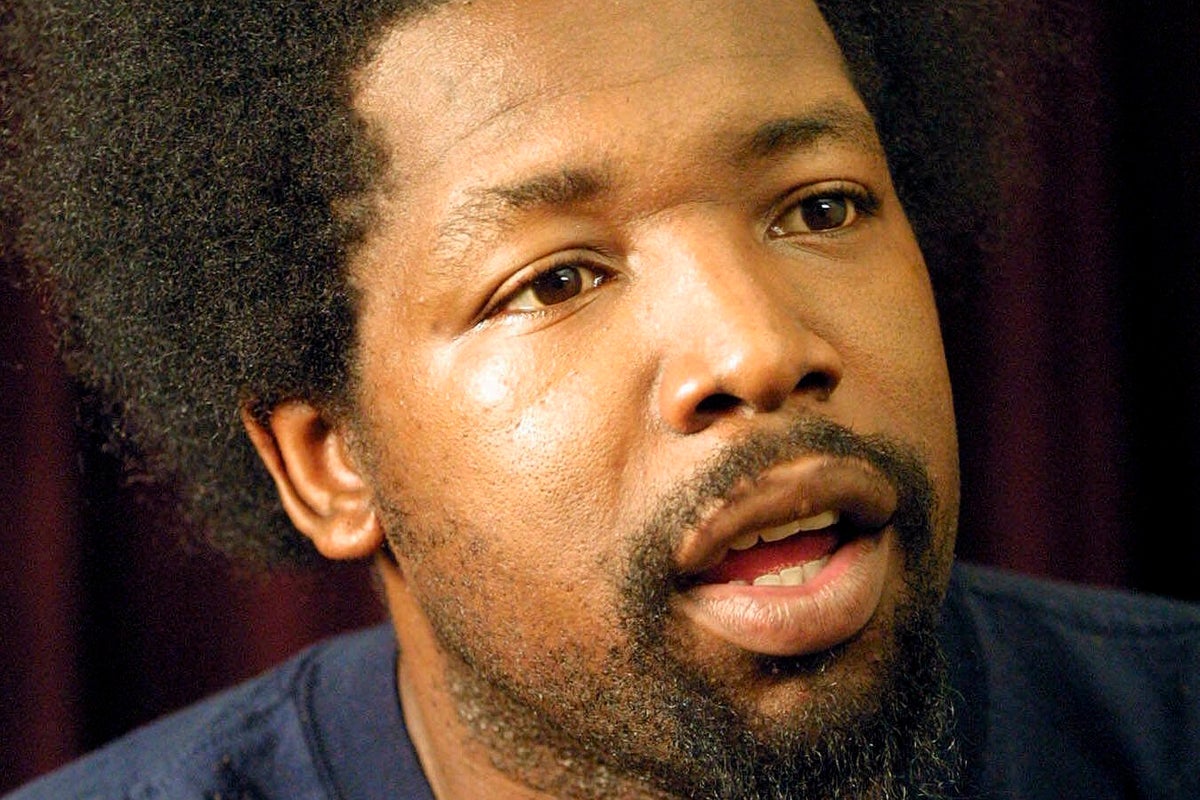
The mainstream media is busy high-fiving Afroman for "beating the man." They see a rapper who used his home security footage to mock a botched police raid, got sued by the officers for "invasion of privacy," and walked away with a legal win. It’s a feel-grad story about the First Amendment.
It’s also a total delusion.
If you think this case is a blueprint for how to handle law enforcement overreach, you’re walking into a trap. Afroman—born Joseph Edgar Foreman—didn’t win because he discovered a magical loophole in privacy law. He won because the officers involved made a tactical error so egregious it practically handed him the victory on a silver platter. But for the average creator, the "Afroman Strategy" is a fast track to bankruptcy and a permanent spot on a local precinct’s most-wanted-for-harassment list.
The Myth of the Bulletproof Parody
The lazy consensus says that if you’re being raided, you can film the cops, turn it into a music video, and sell "Lemon Pound Cake" merch with their faces on it. The logic? It’s a "matter of public concern."
Here is the cold reality: The law regarding Right of Publicity and Commercial Appropriation is a minefield. In many jurisdictions, using a person’s likeness to sell a product without their consent is a one-way ticket to a massive settlement. The officers in Adams County, Ohio, sued Afroman because he used their faces to sell t-shirts, beer, and music.
Most people assume the First Amendment is a blanket that covers anything remotely "artistic." It isn’t. There is a razor-thin line between reporting on a raid and monetizing the individual identities of the people carrying it out. Afroman’s win wasn't a validation of his right to sell cop-themed merch; it was a failure of the plaintiffs to prove that their "reputational harm" outweighed the satirical value of the work in a very specific legal climate.
If you try this in a state with stricter personality rights—think California or New York—you’re not getting a victory lap. You’re getting a lien on your house.
The Privacy Paradox No One is Talking About
The officers’ primary argument was that Afroman’s use of their images caused them "humiliation" and "emotional distress." The court eventually tossed this, but not because the officers were wrong about the humiliation. They were humiliated. They looked ridiculous. They broke down a door, found nothing but some loose change and a stale cake, and then had to watch themselves set to a catchy beat on YouTube.
The "insider" truth is that this lawsuit was never about privacy. It was about ego protection.
When we celebrate this win, we’re ignoring the dangerous precedent of "Litigation as Retaliation." The police didn't expect to win a massive payout. They expected to drain Afroman’s bank account with legal fees. They wanted to make the process the punishment. Afroman had the capital and the fan base to weather that storm. You don't.
Why the "Public Concern" Defense is Shrinking
The courts generally protect speech that involves a "matter of public concern." A botched police raid qualifies. However, the legal definition of what constitutes a "matter of public concern" is being squeezed from both sides.
- The Commerciality Constraint: If you put a "Buy Now" button next to a video criticizing the government, some courts are increasingly viewing that as a commercial transaction rather than protected political speech.
- The Harassment Hurdle: If your "parody" leads to your followers doxxing or threatening the subjects of the video, judges lose their appetite for your First Amendment rights very quickly.
Afroman’s team navigated this by leaning heavily into the absurdity of the raid itself. They made the officers characters in a farce. But if you think you can use "Common Law Privacy" as a shield while you actively profit from someone’s image, you’re gambling with odds that would make a Vegas bookie blush.
The Battle Scars of Civil Litigation
I’ve seen creators lose everything because they thought "Fair Use" or "Parody" was a magic wand. It’s not. It’s an affirmative defense.
That means you don't get to just say the word and have the case disappear. You have to go to court. You have to hire lawyers at $500 an hour. You have to sit through depositions where some government attorney grills you on every tweet you’ve ever sent.
Afroman spent years in legal limbo. He had to deal with the stress of a pending judgment that could have wiped him out. The "win" only came after a grueling marathon of filings. The media paints this as a "Slam Dunk," but for Foreman, it was a war of attrition. Most people would have folded in month three.
The Counter-Intuitive Risk: The "Blue Wall" of Tech
While Afroman won in the courtroom, the bigger threat to creators isn't the law—it’s the Platform.
Google, Meta, and TikTok don't care about your First Amendment rights. They care about their Terms of Service. Police departments have realized that while they might lose in front of a judge, they can win by filing privacy complaints with YouTube.
One "Privacy Violation" strike can take down a channel with millions of subscribers. The irony? The more successful your parody is, the more likely the platform is to nukes it to avoid their own liability. Afroman’s videos stayed up largely because of his existing stature and the sheer volume of public eyes on the case. A smaller creator doing the exact same thing would have been deplatformed before the first chorus ended.
Dismantling the "People Also Ask" Delusions
Can I film the police in my house? Yes, but the moment you edit that footage into a "diss track" and put it on Spotify, you have moved from "Citizen Journalist" to "Commercial Producer." Those two roles have vastly different legal protections.
Is parody always protected? No. Parody must be transformative. If you’re just showing the footage and calling the cops names, that’s not necessarily a parody in the eyes of the law; it’s potentially defamatory or a violation of their right of publicity.
Did the police have to pay Afroman? In this specific case, the officers’ claims were dismissed, and they were the ones who ended up on the hook for certain costs, but don't mistake a "dismissal" for a "payout." Afroman didn't get rich from the lawsuit; he got rich from the marketing of the lawsuit. If your brand isn't big enough to monetize the controversy, the lawsuit is just a net loss.
The Strategy You Should Actually Use
If you find yourself in a situation where you have "gold" footage of government incompetence, don't rush to Shopify.
- Decouple the Reporting from the Revenue: Post the raw footage as a news item first. Establish the "Public Concern" baseline without a price tag attached.
- Obscure for Safety, Show for Impact: If you aren't Afroman, blur the faces. You can still mock the actions without triggering a Right of Publicity claim.
- Expect the Counter-Suit: Never post a "police fail" video unless you have a $10,000 retainer sitting in a savings account.
Afroman is a survivor of a system that tried to bury him. He didn't win because the system works; he won because he was too loud to be silenced quietly. Most people aren't that loud, and the system is designed to muffle you long before you ever see a courtroom.
Stop treating the Afroman verdict like a green light. It’s a yellow light. It’s a warning that the state will use your own creative output as a weapon against you, and unless you have the stomach for a multi-year legal cage match, you should probably keep your security footage to yourself.
The police lost the battle, but by forcing a celebrity into a years-long legal fight over a lemon pound cake, they’ve already sent the message they wanted to send: We can make your life a nightmare, win or lose.
Don't celebrate the win. Study the cost.